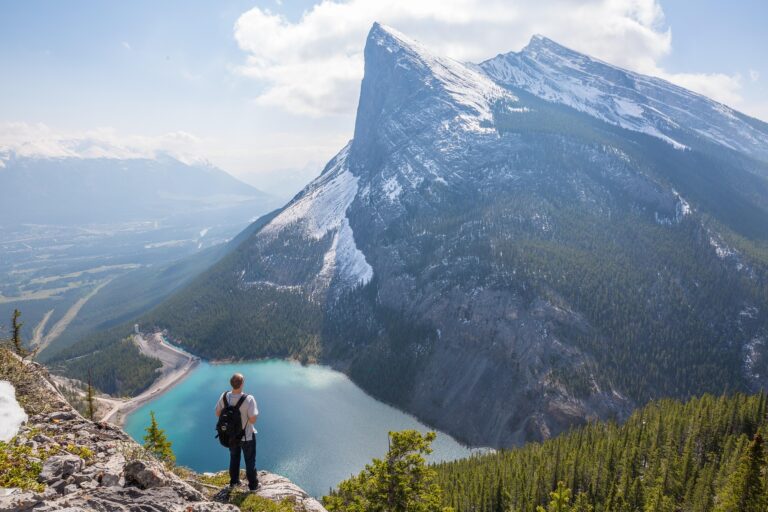
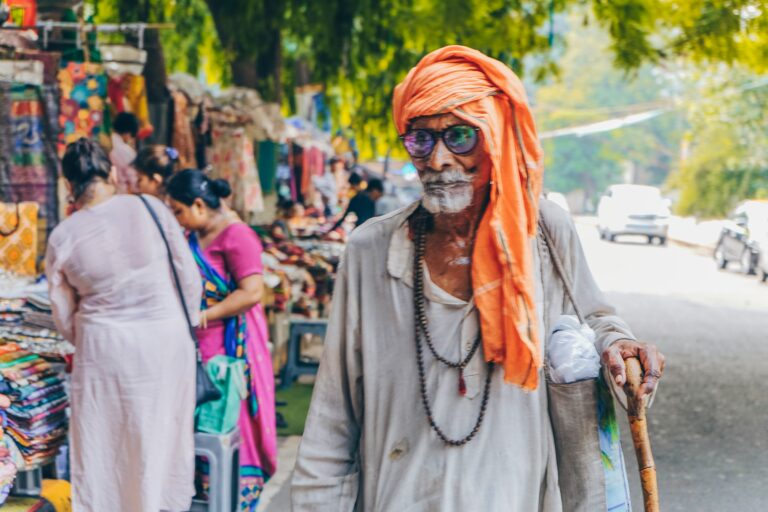
Embarking on the Chardham Yatra is not just a journey through the magnificent Himalayas—it’s a sacred pilgrimage that rejuvenates both the soul and the body. Covering the four revered shrines of Yamunotri, Gangotri, Kedarnath, and Badrinath, this yatra is a dream for many devotees who seek divine blessings amid serene mountain landscapes.
However, the journey can be physically demanding due to high altitudes, unpredictable weather, and challenging terrain. Staying healthy throughout the trip is essential to ensure you can enjoy the spiritual experience without discomfort or illness. Whether you’re a first-time pilgrim or a seasoned traveler, preparing your body and mind in advance can make all the difference.
Here are the top tips for staying healthy during the Chardham Yatra, so you can return home not just spiritually enriched but also physically strong and happy.
1. Prepare Your Body Before the Journey
The Chardham Yatra involves long hours of travel, steep climbs, and exposure to cold, thin air at high altitudes. To stay healthy, it’s crucial to build your stamina before the trip.
- Start exercising at least a month in advance: Include brisk walking, stair climbing, or light jogging for 30–45 minutes daily.
- Practice deep breathing or pranayama: High-altitude regions have lower oxygen levels. Breathing exercises like Anulom Vilom and Bhramari help strengthen your lungs.
- Stretch and strengthen: Gentle yoga or stretching improves flexibility and prevents muscle fatigue during treks.
- Hydration training: Drink enough water daily so your body gets used to staying well-hydrated—this helps avoid dehydration during travel.
Preparing physically before your yatra ensures your body can handle the long drives, high climbs, and varying temperatures with ease.
2. Acclimatize to High Altitudes
The altitudes of the Chardham temples range between 3,000 to 3,500 meters (9,800 to 11,500 feet). The thin mountain air can lead to altitude sickness, especially for those visiting from lower regions.
Tips to acclimatize properly:
- Ascend gradually: Spend an extra day at intermediate points like Uttarkashi or Guptkashi to help your body adjust.
- Avoid rushing: Avoid heading directly to Kedarnath or Badrinath on your first day in the region.
- Stay hydrated: Drink plenty of water, but avoid overhydration (which can dilute salts and cause weakness).
- Eat light and warm: Avoid overeating. Stick to easily digestible foods like khichdi, soups, or boiled vegetables.
- Avoid alcohol and smoking: Both can worsen altitude-related symptoms.
If you experience symptoms like dizziness, headache, nausea, or breathlessness, take rest and consult a doctor immediately—don’t ignore altitude sickness.
3. Eat Simple, Nutritious Meals
Mountain travel changes how your body digests food. Heavy or oily meals can cause discomfort at high altitudes. Choose meals that are easy on the stomach yet energy-rich.
Healthy eating tips:
- Prefer local vegetarian food: North Indian dishes like dal, rice, chapati, and sabzi are light and nutritious.
- Eat at hygienic places: Choose restaurants or dhabas that appear clean and have fresh-cooked meals.
- Carry dry fruits and snacks: Almonds, dates, raisins, and energy bars give you quick energy without spoiling easily.
- Avoid cold drinks and ice creams: These can trigger sore throats or coughs in cold mountain weather.
- Drink herbal tea: Try ginger or tulsi tea—it keeps you warm and boosts immunity.
Remember, “simple food is the best food” when you’re trekking in the Himalayas.
4. Keep Yourself Hydrated
Hydration is crucial during the Chardham Yatra because the combination of long travel hours, cold weather, and physical exertion can deplete your body’s water levels without you realizing it.
Stay hydrated smartly:
- Carry a refillable water bottle: Prefer warm or room-temperature water.
- Avoid too much caffeine: Tea and coffee increase urination and can dehydrate you.
- Add electrolytes: If you’re sweating a lot, mix electrolyte powder or a pinch of salt and sugar in your water.
- Don’t overdrink: Excessive water intake can cause bloating or electrolyte imbalance.
Try to sip small amounts frequently rather than gulping large quantities at once.
5. Dress Right for the Mountains
The weather in Uttarakhand’s high-altitude regions is unpredictable—sunny in one moment and windy or rainy in the next. The right clothing is vital for your comfort and protection.
Packing checklist:
- Layer your clothing: Use thermal wear, sweaters, and a windproof jacket. You can remove or add layers as the temperature changes.
- Carry rain gear: A poncho or lightweight raincoat helps during sudden showers.
- Comfortable trekking shoes: Choose waterproof, non-slippery shoes with good grip.
- Socks and gloves: Woolen socks keep your feet warm; carry extra pairs.
- Headgear: A woolen cap or scarf helps protect against cold winds.
- Sunscreen and sunglasses: High altitudes mean stronger UV rays—protect your skin and eyes.
Being properly dressed not only prevents illness but also enhances your overall comfort throughout the trip.
6. Sleep Well and Rest Often
The yatra involves early mornings and long hours of travel. But your body needs rest to recover from the fatigue of mountain travel.
Tips for good rest:
- Sleep at least 7–8 hours daily: Try to maintain a consistent sleep schedule even during the journey.
- Avoid late-night travel: Roads in the Himalayas can be risky after dark, and your body needs downtime.
- Short breaks: Take short rests during long drives or treks to avoid exhaustion.
- Listen to your body: If you feel dizzy or weak, take a break instead of pushing through.
Good sleep is one of the simplest yet most powerful ways to maintain your energy during the Chardham Yatra.
7. Carry Essential Medicines and First Aid
Medical facilities are available in major towns like Rishikesh, Uttarkashi, and Joshimath, but they may be limited in remote temple areas. Carrying a personal first aid kit ensures you’re ready for minor issues.
What to pack:
- Common medicines for fever, cold, cough, headache, and indigestion.
- Altitude sickness tablets (only after consulting your doctor).
- Pain relief spray or balm for sore muscles.
- Bandages, antiseptic cream, and cotton.
- Mosquito repellent and sunscreen.
- Personal prescription medicines, if any.
If you’re under medication for heart disease, diabetes, or hypertension, carry extra doses and a doctor’s note.
8. Travel Light but Smart
Overpacking can tire you unnecessarily, especially on steep climbs or when walking between lodges and temples. Keep your luggage minimal and well-organized.
Travel smartly:
- Pack only essentials—warm clothes, toiletries, medicines, and documents.
- Use a lightweight backpack with padded straps.
- Keep a day bag for quick access to water, snacks, and important items.
- Avoid carrying valuables like jewelry or large sums of cash.
- Keep your ID, permits, and hotel contact details handy.
Light travel means more comfort, less stress, and better focus on your spiritual experience.
9. Maintain Personal Hygiene
Hygiene is vital when you’re traveling in shared vehicles, staying in guesthouses, or visiting public places. A few precautions can prevent infections or stomach problems.
Hygiene tips:
- Wash hands often: Especially before meals and after using restrooms.
- Carry sanitizer and wet wipes: Useful where water isn’t readily available.
- Use bottled or filtered water: Avoid drinking from unknown sources.
- Avoid street food: Choose freshly cooked food from hygienic stalls.
- Keep your surroundings clean: Dispose of waste responsibly to respect the sacred environment.
Healthy habits go a long way in keeping you fit during the Yatra.
10. Be Mentally Prepared
The Chardham Yatra is not just a physical trek—it’s also a test of mental endurance and patience. Roads can be blocked, weather may change suddenly, and temple queues can be long.
Stay calm and positive:
- Practice meditation: Even five minutes of daily mindfulness can reduce stress.
- Stay flexible with plans: Delays are part of mountain travel—accept them with grace.
- Focus on the purpose: Remember the spiritual goal behind your journey.
- Travel with compassion: Help fellow yatris, share food, or offer assistance—it adds to your spiritual merit.
A peaceful mind makes the journey more fulfilling and memorable.
11. Travel Insurance and Health Check
Before setting out, it’s wise to get a basic health checkup and travel insurance. This ensures you’re medically fit for the trip and covered in case of emergencies.
Checklist:
- Consult your doctor: Especially if you have chronic conditions like asthma, heart issues, or diabetes.
- Get travel insurance: It covers unexpected delays, medical emergencies, or evacuation if needed.
- Carry medical certificates: Some routes (like Kedarnath) may require fitness verification for older travelers.
Being medically and financially prepared provides peace of mind during the journey.
12. Respect Your Limits
While the divine energy of the Himalayas can be motivating, don’t push yourself beyond your body’s capacity. Not every pilgrim needs to trek the full distance—helicopter rides and pony services are available for Kedarnath and Yamunotri.
- Choose transport wisely: Helicopter or palki options can reduce strain for seniors or those with health concerns.
- Take it slow: Focus on enjoying the experience rather than rushing.
- Listen to your body: Rest when needed—your safety and health come first.
Remember, devotion isn’t measured by how fast or far you walk—it’s the sincerity in your heart that matters most.
13. Boost Immunity Naturally
The combination of altitude, cold, and travel fatigue can lower immunity. Strengthen your body naturally before and during the trip.
Simple immunity boosters:
- Start your day with warm water and lemon: Flushes toxins and aids digestion.
- Add turmeric or tulsi tea: Natural anti-inflammatory and antibacterial properties.
- Eat seasonal fruits: Apples, bananas, and oranges provide vitamins and hydration.
- Get sunlight: Vitamin D keeps your bones and immunity strong.
A strong immune system helps you stay healthy and energetic throughout the Yatra.
Conclusion: Travel Safe, Travel Blessed
The Chardham Yatra is one of India’s most sacred pilgrimages—an extraordinary blend of spiritual awakening, natural beauty, and personal transformation. While the journey tests your endurance, following these health tips ensures you remain energetic, comfortable, and fully immersed in its divine atmosphere.
Prepare your body, respect your limits, and nurture your spirit. When you stay healthy, every step you take through the Himalayas becomes a prayer in motion—a journey not just to the four dhams, but to the center of your own inner peace.
So pack wisely, stay mindful, and embark on your Chardham Yatra with strength, health, and devotion.
May your journey be safe, sacred, and soul-satisfying.