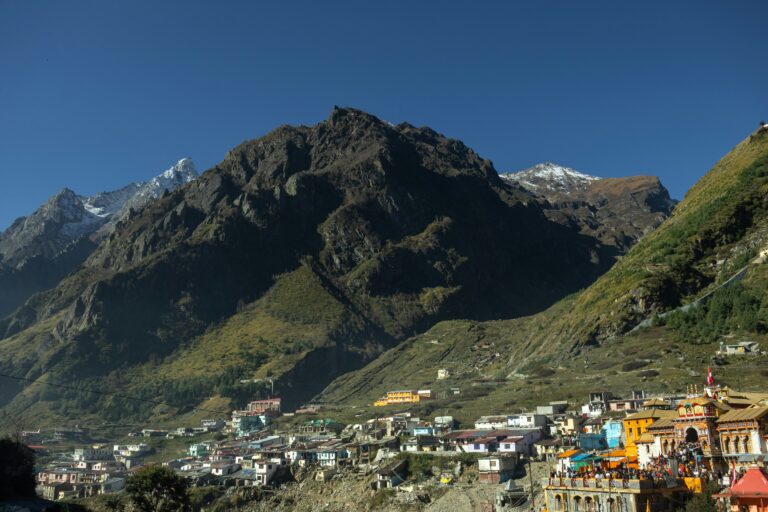
The Char Dham Yatra — visiting Yamunotri, Gangotri, Kedarnath and Badrinath — is one of India’s most sacred pilgrimages and an unforgettable road journey through the Garhwal Himalaya. At the same time, those same spectacular mountains bring unique hazards: narrow switchbacks, steep drop-offs, rockfall and landslides, unpredictable weather, and long stretches with limited services. Planning and careful behaviour on the road can be the difference between a smooth spiritual trip and a stressful or dangerous one. Below are practical, experience-tested safety tips to prepare you, your vehicle, and your group for the Chardham roads.
1. Pick the right season and check road status before you leave
The safest window for a road Yatra is the post-winter, pre-monsoon period — typically May through early June and September–October — when roads are clear of heavy snow and rains. Avoid monsoon months (July–August): heavy rains dramatically increase landslide, rockfall and road-washout risk. Before you start each leg, check live road updates from local travel pages, Uttarakhand road authorities or tourism updates — conditions can change fast.
2. Travel with an experienced driver or hire a local driver
Mountain driving is a different skill set. Narrow hairpins, blind corners, variable shoulders and the “give way uphill” rule mean an inexperienced driver can quickly create danger. If your driver is not confident on Himalayan roads, hire a local driver who knows the route and seasonal hazards. Government guidelines for hill-route driving emphasize experienced drivers, daylight travel, and carrying basic emergency equipment.
3. Never drive in the dark or in poor visibility
Plan your daily distances so you are always driving in daylight. Do not attempt long mountain stretches before first light or after dusk — fog, falling rocks and animals on the road are much harder to spot at night. Local authorities repeatedly advise against hill driving before 5:00 AM and after 7:00 PM; regulated traffic windows are sometimes used on narrow sections for safety.
4. Prepare your vehicle — inspections and emergency kit
Before the journey, get a full vehicle check: brakes, tyres (including a good spare), steering, lights, battery and cooling system. Carry:
- A full-size spare tyre, jack and tools
- Jump leads and a tow rope
- A basic first-aid kit and prescription medicines
- Warm blankets, waterproof clothing and portable torch
- Wooden chocks (to block wheels on steep slopes)
- High-visibility vest and warning triangles
- Portable power bank and physical maps (mobile signal drops out in many stretches)
National mountain-safety SOPs for public transport stress vehicle maintenance and carrying first-aid, so don’t skimp on this.
5. Drive defensively and follow mountain etiquette
Mountain roads are narrow and often single-lane in places. Practice these habits:
- Keep to the left and slow down before every blind curve.
- Give way to uphill traffic when the road is too narrow for two vehicles.
- Don’t overtake on curves or near hairpins. Wait for safe straight stretches.
- Keep a safe distance from the vehicle ahead — braking distances change with gradient and surface.
- Use low gears when descending to avoid brake overheating.
- Use horn briefly at blind bends to warn approaching vehicles, especially on narrow hairpins.
- Avoid sudden lane changes; signal early and clearly.
- If you stop, try to get completely off the carriageway; avoid parking on curves or soft shoulders.
These simple behaviours cut the leading causes of incidents on hilly roads: misjudged overtakes, brake failure on descents, and collisions on blind curves.
6. Respect weather warnings and be ready to change plans
Himalayan weather can turn within hours. Local authorities may close a road or regulate traffic when heavy rain, snow, landslides, or rockfall risk rises. Have a Plan B: extra nights in a safe town, alternate routes, or postponing a leg. Emergency services and SDRF teams are often deployed at accident-prone zones during Yatra season, but response times in remote areas are still limited — prevention is your best defence.
7. Watch for landslides, rockfall and debris
Certain sections on the Chardham routes are landslide-prone — especially during/after rains, thawing snow and seismic events. Keep an eye on slopes above the road for fresh cracks or falling stones. If you see a landslide zone being cleared, wait patiently for the authorities: debris might settle and further falls are possible. Research reviews and hazard assessments underline rockfall as a persistent risk on mountain roads; slow, cautious driving in vulnerable stretches is essential.
8. Plan fuel, food, and rest stops — don’t push on
Fuel stations and reliable food stops are spaced unevenly. Top up fuel whenever you can; don’t wait until the gauge dips. Fatigue is a major risk factor on long mountain legs — drivers should take regular rotation breaks, and everyone should stay hydrated and rested. Carry high-energy snacks and water in case of delays.
9. Mobile signal, navigation and offline backups
Mobile coverage is patchy. Use offline maps (downloaded on Google Maps or others) and carry a printed route copy. Share your itinerary with a family member and local contacts, and tell the hotel/guesthouse when you expect to arrive. If you must travel into very remote stretches, consider renting a satellite communicator for emergency messaging.
10. Choose the right vehicle for the terrain
Ideally, use a high-clearance vehicle with good suspension and traction. Heavy monsoon-saturated roads and steep gradients reward vehicles with low-range gearbox or a robust automatic suited to hills. Avoid overloaded vehicles: excess weight worsens braking performance and makes negotiating hairpins harder.
11. Be cautious with rented/taxi vehicles & operators
If booking taxis or cabs, use reputable operators, check vehicle condition before boarding, and confirm the driver’s local experience. For helicopter segments (if you plan one), book only through approved government operators; authorities often advise using approved operators for safety compliance.
12. Group travel tips — communicate and set rules
If you’re travelling in convoy with family or a tour group:
- Maintain staggered spacing between vehicles to avoid pileups if the vehicle ahead brakes suddenly.
- Use simple hand signals or walkie-talkies where mobiles fail.
- Agree on rendezvous points and set a maximum daily distance to avoid night-driving.
- Keep a printed list of passengers and emergency contacts (driver guidelines advise the vehicle should carry passenger lists).
13. What to do if you encounter an accident or breakdown
Stay calm. Switch on hazard lights, set warning triangles, and move passengers away from the carriageway and downslope (toward the inside of the turn, away from the drop). If someone is injured, administer first aid and call for help. When roads are blocked, cooperate with local authorities — they will prioritize clearing and safety. Local SDRF and police presence increases during Yatra season at accident-prone zones, but remote response may take time; ferrying injured only with official rescue teams is safer unless immediate evacuation is unavoidable.
14. Health & acclimatisation — don’t push your body for the drive
Altitude can be surprising on some approaches; keep an eye for headache, nausea, dizziness or unusual breathlessness in passengers. Drink water, move slowly, and allow time for rest if you feel off. Avoid heavy alcohol before long drives — it impairs judgment and can aggravate altitude effects.
15. Respect local instructions and conservation rules
Road works, temporary diversions and closures are sometimes enforced to protect villagers and reduce risk. Follow signs and respect any environmental protection measures — indiscriminate parking, dumping of debris or ignoring barricades can worsen hazards for everyone.
Quick pre-departure checklist
- Check live road and weather updates for every leg.
- Full vehicle service, spare tyre and tools.
- First-aid kit, blankets, warm/waterproof clothing.
- Offline maps + printed route + itinerary shared with someone.
- Confirm driver experience or hire local driver.
- Extra fuel and snacks; plan daytime driving only.
Final note
The Chardham Yatra is a deeply rewarding journey of faith and natural beauty — but Himalayan roads demand humility and preparation. Respect the mountain, travel light but prepared, choose the right season, drive (or hire drivers) conservatively, and keep safety as the top priority. With the right planning and on-road discipline you’ll be able to focus on the pilgrimage itself, not the hazards, and return enriched and safe.
Sources & further reading
For official safety advisories, road-status updates and hill-driving guidelines, consult Uttarakhand transport and tourism notices, live Char Dham road reports and mountain transport SOPs. (Selected references used above: Uttarakhand travel updates, mountain road safety SOPs, landslide hazard reviews and Char Dham travel advisories.)