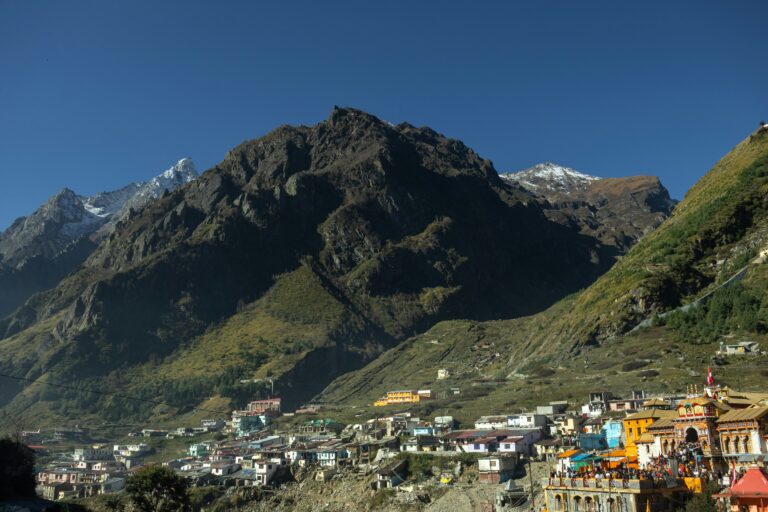
Planning a Chardham Yatra is as much about spiritual preparation as it is about smart packing. The four dham — Yamunotri, Gangotri, Kedarnath and Badrinath — sit in the Himalaya at varying altitudes and require you to be ready for sudden weather changes, rough roads, simple accommodation and some amount of trekking. The temples are generally open from late spring through autumn (roughly April/May to October/November), so most pilgrimages happen in that window — but even in summer nights can be cold and monsoon brings landslide risks and heavy rain.
Below is a comprehensive, practical packing guide organized by category so you can stay comfortable, safe and focused on the pilgrimage itself.
Quick essentials (carry-on / daypack)
Keep these with you in a small daypack every day of the yatra.
- Valid ID and permit copies — Aadhar/driving license/passport and printed copies. Keep digital scans too.
- Cash and cards — ATMs are scarce once you go higher; carry sufficient cash (small denominations) and one backup card.
- Mobile phone + charger + power bank — High-capacity (20,000 mAh recommended) since charging points can be limited.
- Basic medicines — Personal prescriptions, paracetamol/ibuprofen, anti-nausea, anti-diarrheal.
- Altitude sickness meds (if advised) — If you’re prone to AMS, consult your doctor before leaving.
- Reusable water bottle + purification tablets — Staying hydrated is crucial; water sources may be untreated.
- Sunglasses + sunscreen (SPF 50+) — Strong UV at altitude.
- Snacks — Energy bars, dry fruit, roasted chana — useful during long drives or teashop delays.
- Torch/headlamp + spare batteries — Night-time power cuts are common.
Clothing — layer smart
Temperature swings are the rule: warm mornings and evenings, comfortable afternoons (sometimes hot), and sudden rain or snow at higher altitudes.
- Base layers / thermals — Lightweight thermal top and bottom are a must for evenings and early mornings.
- Quick-dry shirts and trousers — 2–3 pairs; breathable fabrics for daytime comfort.
- Warm mid-layer — Fleece or light down jacket for insulation.
- Heavy insulated jacket — If you plan to visit Kedarnath or higher passes, bring a packable down jacket. (Kedarnath sits at high elevation and nights can be bitter.)
- Waterproof shell / rain jacket — A breathable, good-quality rain jacket will save you during monsoon or sudden showers.
- Woolen cap, gloves, neck gaiter / scarf — Wind protection and warmth.
- Comfortable socks + woolen socks — Trekking socks for walks, warm socks for nights.
- Footwear — One pair of sturdy trekking shoes (broken-in!), one pair of sandals or slip-on shoes for evening use.
- Spare underwear — Quick-dry is best.
- Lightweight shawl or travel blanket — Useful in poorly heated guesthouses or long travel legs.
Footwear & trekking gear
Many dhams require short-to-long treks and some walking on uneven, rocky paths.
- Trekking shoes / boots — Waterproof with good ankle support; important for Kedarnath approaches.
- Gaiters — Useful if you expect snow or muddy tracks.
- Trekking pole(s) — Helpful for steep or slippery sections; reduces knee strain.
- Small repair kit — Duct tape, zip ties, safety pins, multi-tool.
Health & first-aid kit
Altitude, long travel days and rustic conditions make a basic medical kit essential.
- Personal medicines (with prescriptions).
- Altitude sickness medication — Consult a physician before travel; carry prophylactics if advised.
- First-aid basics — Band-aids, antiseptic wipes, gauze, adhesive tape, painkillers, antibiotic ointment, blister plasters.
- Oral rehydration salts — Good for dehydration after long treks.
- Insect repellent and anti-itch cream.
- Hand sanitizer and wet wipes — For hygiene where running water is not available.
Toiletries & comfort items
- Toothbrush, toothpaste, biodegradable soap, shampoo.
- Travel towel — Quick-dry microfibre.
- Toilet paper / tissue packs — Public toilets can be poorly stocked.
- Moisturizer and lip balm — Cold/altitude dries skin quickly.
- Small wet-bag for dirty laundry.
Documents, safety & planning
- Itinerary printouts — Hotel confirmations, transport tickets and local guide contact.
- Insurance — Travel insurance that covers emergency evacuation in hilly/remote areas.
- Emergency contacts — Local helplines, temple committee contacts, family numbers.
- Map or offline map app — Network reception can be patchy; download offline maps.
Electronics & photography
- Phone & charger plus power bank (fully charged nightly).
- Plug adapter / extension — If you have multiple devices — charging points are sometimes communal.
- Camera + extra batteries / memory cards — Cold drains battery faster; carry spares.
- Portable Wi-Fi / SIM — A local SIM with data is useful for navigation, but expect limited signal at altitude.
Spiritual / temple items
- Small puja kit — If you plan your own offerings: flowers (locally bought is better), akshat (rice), sindoor/tilak, small bell.
- Simple, respectful clothing — Carry at least one set of neat clothes for darshan and prayer.
- Reusable cloth bag — For prasad, offerings, or to carry small items.
Packing tips & organization
- Use a medium-sized duffel/backpack (50–65L) for the main luggage — easier for porters/vehicles.
- Daypack (20–30L) for daily essentials and valuables — keep important items with you.
- Compression sacks / packing cubes — Save space and keep items organized and dry.
- Waterproof liner / dry bags — Protect clothes and electronics from rain or leakages.
- Weight distribution — Keep heavier items closer to your back and centered for comfortable carrying.
Eco-friendly & local-sensible choices
- Avoid single-use plastics — Carry a reusable water bottle and cutlery.
- Buy perishable items locally — Support local economy and reduce your luggage.
- Pack out trash — Keep a small trash bag in your bag; dispose of it responsibly at larger towns.
Special considerations for high-altitude/specific dhams
- Kedarnath and Yamunotri involve steeper approaches and, at times, high-altitude conditions. Pack extra warm layers and be prepared for snow pockets even into summer. (Yamunotri and Kedarnath are at significant elevations and require extra caution.)
- Badrinath sits at over 3,100 meters; nights can be chilly even if days feel fine. Plan warm nights and appropriate footwear.
Before you leave — last-minute checklist
- Check temple opening dates and road conditions for each dham (local weather can close roads unexpectedly).
- Inform family about your route and daily check-in times.
- Get a brief health check if you have pre-existing conditions; discuss altitude medicine with your doctor.
- Break in your trekking shoes and test your backpack weight with a short hike.
Final thoughts
Packing for the Chardham Yatra is a balance between being light enough to travel comfortably and being prepared for the Himalayan elements. Prioritize warmth, rain protection, good footwear, basic medical supplies and the ability to carry essentials on your person. Most pilgrim services and small stores sell basic items on the route, but prices can be higher and choices limited — so bring key gear with you.
When in doubt, favor layers, waterproofing and easy-to-carry comfort. With your bag packed right, you’ll spend less time worrying about logistics and more time immersed in the quiet beauty and spiritual depth of the Char Dham. Safe travels and Hari Bhole!