Planning a pilgrimage to Kedarnath Dham is a spiritually enriching experience, but it also requires careful weather-wise preparation for safety. This guide explores everything you need to know about weather patterns, seasonal changes, and safety precautions to make your journey both meaningful and secure.
1. Understanding Kedarnath’s Climate
High-Altitude Himalayan Weather
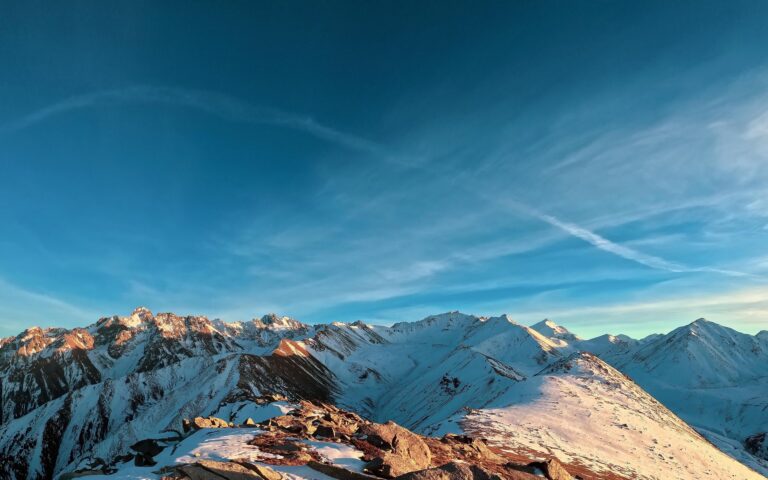
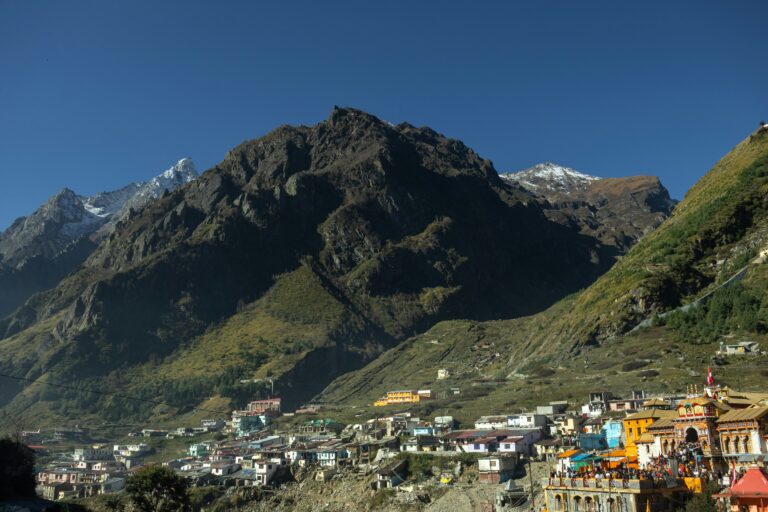
Located in the Garhwal Himalayan region of Uttarakhand, Kedarnath Dham sits at an elevation that subjects it to extreme and rapidly changing weather conditions. Even during the summer months, temperatures can remain chilly, especially at night and early mornings.
- The summer season offers milder temperatures, but snow or rain flurries can still occur unexpectedly.
- During monsoon months, heavy rainfall and landslides are common due to the steep terrain and unstable weather.
- In winter, the region is covered in deep snow, with temperatures falling well below freezing (-10°C or lower).
These patterns make it critical for pilgrims to monitor weather forecasts frequently, especially during transitional periods between seasons.
2. Seasonal Breakdown: Weather and Safety
Summer (May–June)
This period is considered the safest and most favorable time to visit Kedarnath:
- Temperatures are the most moderate, generally ranging within comfortable bounds for trekking and outdoor activities.
- Trails and roads are less likely to be snarled by rain or snow.
- Daylight hours are longer, offering safer travel times.
Despite this relative stability, weather in the mountains can change quickly—clear morning skies may give way to rain or hail by afternoon. So be sure to check local forecasts before setting out each day.
Monsoon (July–August)
The monsoon season poses significant weather-related hazards:
- Heavy rainfall increases the risk of landslides, soil erosion, and flash floods.
- Trekking trails can become slippery and dangerous due to waterlogged paths.
- Road connectivity is often disrupted, which can delay travel and emergency services.
Government advisories often warn pilgrims to avoid travel during peak monsoon months and to check the weather forecast carefully before attempting the yatra.
Post-Monsoon / Autumn (September–October)
After the heavy rains, this season brings clear skies and stable weather:
- Temperatures generally range from mild in the daytime to cold at night.
- Landslide risk significantly diminishes as the terrain dries out.
- Trek routes are usually in their best condition before the onset of winter.
This is often called the “Golden Season” for trekking due to pleasant weather, fewer crowds than the summer peak, and spectacular mountain views.
Winter (November–April)
Winter weather in Kedarnath is harsh and extreme:
- Heavy snowfall makes trekking and road travel virtually impossible.
- The original Kedarnath Temple is closed, and the deity remains at Omkareshwar Temple in Ukhimath during winter.
- Temperatures can plunge well below freezing, posing serious health risks without proper gear.
Due to these conditions, winter travel is not recommended for pilgrims without specialized equipment and guidance.
3. Interpreting Weather Alerts and Forecasts
Before and during your trip, regularly check forecasts from reliable sources. The Indian Meteorological Department (IMD) often issues weather alerts—including heavy rainfall, snowfall, or hailstorm warnings—that directly affect pilgrim safety.
Weather alerts commonly take the form of:
- Yellow Alerts indicating potentially disruptive conditions,
- Orange Alerts for more severe weather, and
- Red Alerts for highly dangerous conditions.
If any alert is active during your yatra, you should strongly reconsider or delay your travel plans until conditions improve.
4. Safety Tips Based on Weather Conditions
Before Your Trip
- Plan within the right season: Target summer or post-monsoon (May–June or September–October) windows for safer travel.
- Check weather forecasts daily: Sudden rain or snow is common even during favorable seasons.
- Prepare the right gear: Include waterproof clothing, layered warm wear, sturdy trekking shoes, and rain protection.
During the Trek
- Start early each day: Weather tends to be more stable in the morning, and afternoon showers or storms can develop later.
- Maintain flexibility: Be ready to alter plans if severe weather strikes mid-journey.
- Carry essential safety equipment: A reliable raincoat or poncho, a map or GPS device, and a basic first-aid kit can be lifesavers in bad weather.
At Higher Altitudes
- Watch for altitude sickness: High altitude and cold weather increase risk; acclimatize slowly and stay hydrated.
- Use trekking poles: These help maintain balance on slippery or uneven terrain.
- Avoid risky weather windows: Snowfall or hailstorms can make paths hazardous and visibility poor.
Emergency Preparedness
- Always have a backup plan in case weather forces changes—this includes knowing local emergency contacts and nearest shelters.
- Consult local authorities or temple committees if weather deteriorates (there are often advisories and support arrangements in place).
5. Real-World Weather Impact Examples
History has shown that Kedarnath’s weather can dramatically impact pilgrimages:
- Snowfall in Kedarnath has been known to blanket the region in early winter months, signaling dangerous conditions.
- Heavy rain and snowfall alerts from IMD have disrupted pilgrimage routes and led to official warnings for safety.
These examples highlight why weather preparedness isn’t just advisable—it’s crucial for safe travel in this high Himalayan terrain.
6. Packing Checklist for Weather Safety
Here’s a season-wise weather safety packing list:
All Seasons
- Waterproof jacket / poncho
- Trekking shoes with grip
- Basic medical kit
Summer / Post-Monsoon
- Light warm layers
- Rain protection
Monsoon
- Waterproof backpack cover
- Extra dry socks & quick-dry clothing
Autumn / Early Winter
- Thermal wear
- Warm gloves, beanie, scarf
Winter
- Extreme cold gear (only for experienced adventurers)
7. Conclusion
Kedarnath Dham’s weather is beautiful but unpredictable—a blend of serene sunshine, sudden rain, clouds, and snow. Understanding seasonal climate, checking weather alerts, and preparing thoroughly can dramatically reduce risks and help ensure a safe and spiritually fulfilling pilgrimage.
By planning your trip with weather safety as a priority and staying informed throughout the journey, you’ll be much better equipped to handle whatever Mother Nature brings to this sacred Himalayan shrine.