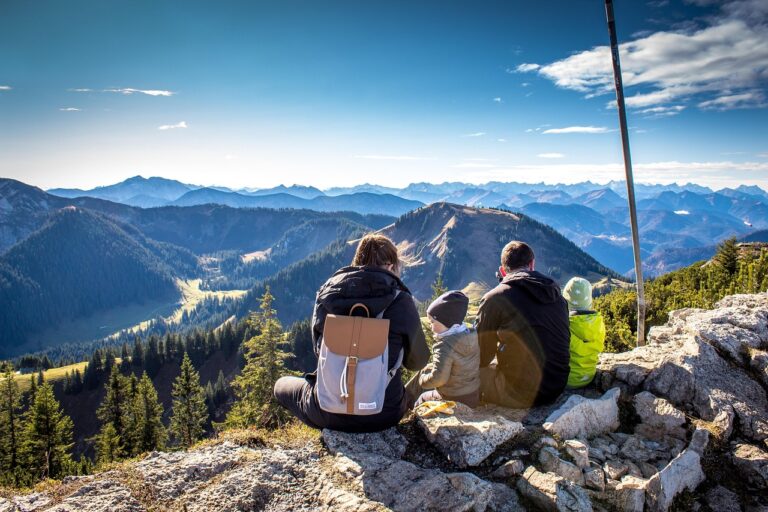
The Char Dham Tours — comprising Yamunotri, Gangotri, Kedarnath, and Badrinath — is among India’s most revered pilgrimages. Every year, thousands of devotees embark on this spiritual journey through the majestic Himalayas. While the experience can be transformative, lack of preparation or avoidable mistakes can turn it into a stressful one. This guide highlights the top mistakes pilgrims should avoid for a smooth, meaningful, and safe Char Dham tour.
1. Underestimating the Geography and Terrain
The Char Dham circuit weaves through high Himalayan valleys, steep gorges, and unpredictable mountain weather. Many travelers underestimate the challenges of this terrain.
Why It Matters
The roads are winding and narrow. Landslides and roadblocks are common, especially during the monsoon season. It’s a mistake to assume everything will be easy or quick.
Tips to Avoid This Mistake
- Always check road conditions before traveling.
- Allow extra travel time between destinations.
- Do not plan tight same-day transfers (e.g., reaching Gaurikund and attempting immediate trek to Kedarnath).
2. Ignoring Weather Patterns
Weather in the Himalayas changes rapidly. Hot sunny mornings can turn into cold, stormy evenings. Many pilgrims start without factoring in weather conditions.
Common Consequences
- Getting stuck due to rain or snowfall.
- Increased risk of altitude sickness due to cold winds.
- Losing precious travel days.
What You Should Do
- Check weather forecasts a week in advance.
- Avoid visiting during monsoon (July–September) if possible — this is peak landslide season.
- Be ready with warm layers even in summer.
3. Neglecting Acclimatization
Char Dham locations are all high-altitude places. Kedarnath is around 3,583 meters, Badrinath is 3,133 meters, Gangotri is 3,048 meters, and Yamunotri is 3,293 meters.
Why This Is Critical
Rapid ascent without acclimatization can lead to Acute Mountain Sickness (AMS) — symptoms include headaches, nausea, breathlessness, and fatigue. In severe cases, it can be life-threatening.
Avoiding Altitude Problems
- Plan rest days between high-altitude ascents.
- Stay hydrated.
- Avoid alcohol and heavy meals initially.
- Consider consulting a physician before travel if you have pre-existing health issues.
4. Poor Travel Planning and Scheduling
A common mistake is trying to complete the Char Dham pilgrimage in too short a time.
Typical Missteps
- Attempting the entire tour in less than 10–12 days.
- Not accounting for road closures or delays.
- Booking accommodations only for the first leg of the trip.
Smarter Planning
- Allocate 12–15 days for a relaxed itinerary.
- Keep room for buffer days.
- Pre-book hotels but allow flexibility for last-minute changes.
5. Inadequate Physical Preparation
The Char Dham tour demands physical endurance — long drives, uphill treks (especially to Kedarnath and Yamunotri), uneven paths, and cold temperatures.
Common Error
Assuming someone else will carry the burden — guide, porter, or vehicle.
How to Prepare
- Engage in light exercise for 4–6 weeks before the trip.
- Practice walking on inclines, stairs, or hilly paths.
- Build stamina with lungs and leg strengthening workouts.
6. Last-Minute Booking and High Costs
Pilgrims often wait until the last moment to book travel and accommodation, leading to higher prices and fewer options.
Risks
- You may end up in overcrowded hotels.
- Guides and drivers might charge premium rates.
- Lack of choice means poor location stays.
Smart Booking Tips
- Book at least 2–3 months in advance during peak season.
- Use trusted tour operators or verified travel platforms.
- Reserve rooms with cancellation flexibility.
7. Inadequate Clothing and Gear
Most first-time travelers undervalue proper gear. Carrying just casual clothes won’t cut it in the high Himalayas.
Essential Items Often Forgotten
- Windproof jackets
- Waterproof boots
- Woollen socks
- Gloves and hats
- Sunscreen and sunglasses
- Trekking poles
Why This Matters
Cold winds, rain, and intense sun at high altitudes can make ordinary clothes ineffective.
8. Overlooking Emergency Preparedness
Many pilgrims don’t prepare for emergencies — health, travel, or weather.
Possible Emergencies
- Severe AMS
- Road blockades
- Lost luggage
- Vehicle breakdown
Safety Checklist
- Keep emergency contacts written and saved on your phone.
- Carry basic medicines and a first-aid kit.
- Register with the local police or tourist help desks in some areas.
- Buy travel insurance that covers altitude sickness and evacuation.
9. Not Respecting Local Culture and Traditions
Char Dham is a sacred circuit rooted in deep spiritual traditions. Some pilgrims forget to respect local sentiments.
Common Cultural Mistakes
- Wearing inappropriate attire in temples.
- Ignoring temple rules.
- Being loud or disrespectful at holy sites.
Cultural Etiquette
- Dress modestly — shoulders and knees covered.
- Respect queues and temple rituals.
- Ask before taking photos in sensitive areas.
10. Mismanaging Budget and Cash
ATMs may be scarce or out of cash due to network issues. Relying solely on cards or digital payments can be risky.
Financial Mistakes
- Keeping all cash in one place.
- Not having enough small notes for local purchases.
- Overlooking hidden costs (parking fees, extra meals, tips).
Practical Money Tips
- Carry sufficient cash and divide it into safe pockets.
- Use reliable ATMs at town centers.
- Keep small change for local vendors.
11. Ignoring Local Advice and Restrictions
Locals know the region best — road conditions, weather changes, safe timings, and alternate routes.
Why Ignoring Them Is Risky
- You may follow outdated route advice.
- Roads might be closed due to landslides or construction.
- Locals often know when it’s safe to travel.
How to Follow Local Guidance
- Ask hotel staff before heading out.
- Talk to drivers familiar with Himalayan routes.
- Visit local tourist info booths.
12. Disrespecting Nature and Environment
The Himalayas are fragile ecosystems. With increasing footfall, pollution and waste management are major concerns.
Environmental Mistakes Travelers Make
- Leaving plastic bottles behind.
- Throwing waste near water bodies.
- Straying off marked trails.
Tips for Responsible Travel
- Carry reusable water bottles.
- Dispose waste only in designated bins.
- Avoid using single-use plastics.
- Respect wildlife and natural habitat.
13. Poor Food and Water Management
Traveler’s diarrhea, stomach issues, and dehydration are common. Eating indiscriminately or drinking unsafe water can ruin the trip.
Health Risks
- Unfamiliar food sensitivity
- Contaminated water
- Lack of clean eating options on long routes
Smart Eating Habits
- Prefer bottled water with sealed caps.
- Avoid roadside food that looks unhygienic.
- Eat cooked, warm meals.
- Carry energy bars and health drinks.
14. Relying Entirely on Technology
Navigation apps, weather apps, and digital tickets are great — until there’s no network!
Dependency Risks
- No GPS signal
- Mobile data unavailable in high passes
- Power bank drains
Low-Tech Backup Plans
- Download offline maps.
- Carry printed hotel and route details.
- Keep a physical travel itinerary.
15. Ignoring Rest and Sleep
The temptation to cover all places quickly often leads to sleepless nights and exhaustion.
Consequences
- Poor immunity
- Slower acclimatization
- Reduced enjoyment of the pilgrimage
Smart Sleep Strategy
- Plan at least 7–8 hours of sleep.
- Avoid midnight drives.
- Rest after every long drive or trek.
Final Takeaway
The Char Dham Yatra is more than a journey — it’s a life-changing spiritual experience. While the sacred journey is filled with divine blessings and breathtaking Himalayan views, the mistakes mentioned above are avoidable challenges that many pilgrims face unknowingly.
With careful planning, respect for the environment and culture, and the right preparation — physical, mental, and logistical — your Char Dham tour can be smooth, enriching, and truly memorable.