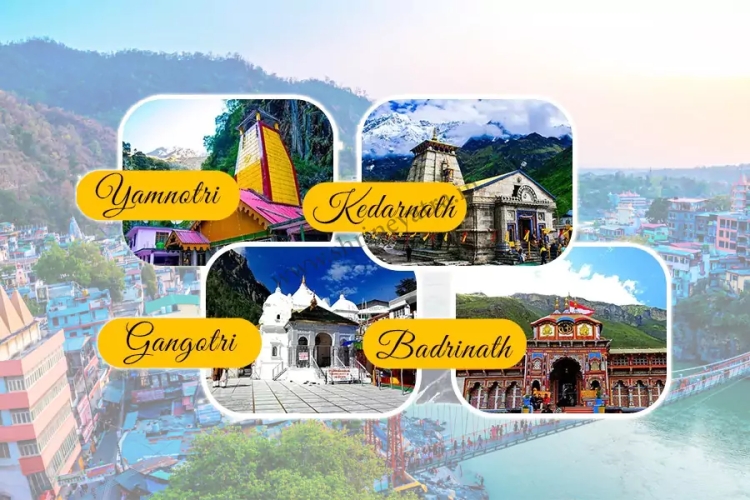
A journey to Kedarnath is not just a holiday. It is a spiritual experience, a test of preparation, and for many people, one of the most memorable trips of their lives. Nestled in the majestic Himalayas, Kedarnath draws pilgrims and travelers from all over India and beyond. Its beauty is breathtaking, but the terrain is harsh, the weather can change suddenly, and the route demands respect.
Many people make the same avoidable mistakes while planning or undertaking the Kedarnath yatra. These mistakes can turn a sacred and peaceful pilgrimage into a stressful, exhausting, and even risky experience. Some travelers struggle with altitude sickness, some get caught in bad weather, while others simply arrive unprepared for the physical demands of the journey. The good news is that most of these problems can be prevented with the right planning.
If you are preparing for Kedarnath, knowing what not to do is just as important as knowing what to do. Here are the mistakes that can ruin your Kedarnath trip and how to avoid them.
1. Underestimating the Difficulty of the Journey
One of the biggest mistakes people make is assuming Kedarnath is just another hill station trip. It is not. The route is steep, the altitude is high, and the walk to the temple can be physically demanding, especially for first-time visitors, elderly pilgrims, and those not used to trekking.
People often arrive thinking they can manage everything easily, only to feel exhausted within the first few kilometers. Breathlessness, body pain, dizziness, and fatigue are common when your body is not ready for the altitude and terrain. The route requires slow pacing, steady movement, and mental patience.
To avoid this mistake, start preparing your body at least a few weeks before the trip. Walk daily, do light cardio, and practice climbing stairs. Physical readiness can make the entire yatra smoother and more enjoyable.
2. Ignoring Weather Conditions
The weather in Kedarnath can be unpredictable. A bright, pleasant morning can quickly change into cold rain, strong winds, or even snowfall depending on the season. Many travelers pack for the weather they expect, not the weather they may actually face.
This mistake leads to discomfort, sickness, and unnecessary panic. Wearing light clothes during cold conditions or carrying no rain protection can make the journey miserable. Wet shoes, frozen hands, and insufficient layering can quickly drain your energy.
Always check the weather before departure and pack for multiple conditions. Carry warm layers, a raincoat or poncho, gloves, woolen socks, and a cap. Even in a relatively warm season, nights in the mountains can be very cold.
3. Packing Too Much or Too Little
Packing mistakes are very common on the Kedarnath route. Some people carry too many bags and end up exhausted from the weight. Others carry too few essentials and later realize they forgot important items like a torch, medicines, or warm clothing.
Overpacking makes trekking harder, especially when you have to walk long distances or manage a pony, porter, or shared transport. Underpacking, on the other hand, can leave you struggling with basic needs.
The solution is to pack smart, not heavy. Carry only what is necessary: comfortable clothes, woolens, a water bottle, basic medicines, snacks, a power bank, identification, and personal hygiene items. Keep your bag light enough to manage without stress.
4. Not Preparing for Altitude Sickness
Altitude sickness is one of the most serious issues travelers can face in Kedarnath. Many people arrive directly from low-altitude cities and expect their bodies to adjust instantly. That does not always happen. Symptoms such as headache, nausea, weakness, dizziness, and shortness of breath can appear if the body struggles to adapt.
Ignoring these signs is dangerous. Some travelers try to push through discomfort, assuming it will go away on its own. In some cases, that may worsen the condition.
To reduce the risk, take time to acclimatize. Avoid rushing the journey. Stay hydrated, eat light meals, and do not overexert yourself. If you already have medical conditions related to breathing, heart health, or blood pressure, consult a doctor before the trip. Listening to your body is essential in high-altitude travel.
5. Starting the Trek Without Proper Rest
Many pilgrims make the mistake of starting the trek too quickly after a long road journey. They reach the base tired, sleep poorly, and then immediately begin walking uphill. This is a recipe for exhaustion.
The Kedarnath trek requires energy. If you begin without rest, your body will already be under stress. This can make the climb far more difficult than it needs to be. A tired body is also more prone to slips, cramps, and bad decisions.
Try to rest properly before beginning the trek. If possible, spend a night at a nearby stop to recover. A fresh start can make a huge difference in how you experience the journey.
6. Not Carrying Enough Water and Food
Mountain travel increases your need for hydration, yet many people forget to drink enough water. Some rely only on small tea breaks or occasional snacks. That is not enough, especially when you are walking long distances in cold weather.
Dehydration can lead to weakness, headaches, and reduced stamina. Skipping meals or depending on unhealthy food can make you feel even more tired. The body needs steady fuel during the yatra.
Carry a reusable water bottle and sip regularly. Keep some easy-to-carry snacks such as dry fruits, energy bars, biscuits, or light protein items. Eat balanced meals whenever possible. A nourished body handles the trek much better than a hungry one.
7. Wearing the Wrong Footwear
Shoes can make or break your Kedarnath experience. Many travelers wear new shoes, fashionable footwear, or shoes with poor grip. That is a serious mistake on a route that may involve stones, uneven surfaces, mud, and slippery stretches.
Blisters, foot pain, and slips often begin with bad footwear. Even a small problem with your shoes can become a major issue over several hours of walking.
Choose sturdy, comfortable, well-broken-in trekking shoes with good grip. Avoid brand-new shoes on the day of the trip. Wear moisture-wicking socks and carry an extra pair if possible. Your feet will thank you.
8. Rushing the Experience
Some travelers treat Kedarnath like a checklist item. They rush from one point to another, worry only about photos, and try to finish everything quickly. This approach misses the heart of the journey.
Kedarnath is not just about reaching the temple. It is about the atmosphere, the mountain silence, the spiritual energy, and the personal reflection that comes with the journey. Rushing creates stress and reduces your ability to appreciate the experience.
Move at a comfortable pace. Stop when needed. Breathe, observe, and allow yourself to be present. The trip becomes far more meaningful when you travel with patience rather than pressure.
9. Not Checking Health Before Travel
A common and dangerous mistake is assuming you are fit enough without reviewing your health properly. Even if you feel fine on ordinary days, high-altitude travel can be very different. People with heart conditions, breathing issues, diabetes, joint pain, or blood pressure concerns may need extra precautions.
Skipping a basic health check can lead to problems during the journey. It is better to be aware of any limitations before you start than to face an emergency on the route.
A simple medical consultation before the yatra can help you understand whether you need medicines, extra rest, or special care. Always carry your prescribed medications in your personal bag.
10. Depending Entirely on Last-Minute Arrangements
Some travelers assume they will sort out transport, accommodation, food, and movement after reaching the area. That often leads to confusion, delays, or higher costs. During peak pilgrimage periods, places can become crowded and availability may be limited.
Last-minute planning often causes stress, especially when weather or crowd conditions change. You may end up with poor lodging, unexpected waiting times, or unnecessary expenses.
A little advance planning goes a long way. Book transport where possible, keep backup options in mind, and know your route before you begin. Being organized does not reduce the spiritual value of the journey; it protects it.
11. Ignoring Safety Advice
There is usually a reason why travel authorities, local guides, and experienced pilgrims give certain instructions. Yet many people ignore warnings because they are in a hurry or think they know better.
This can include walking too late in poor visibility, taking unsafe shortcuts, ignoring route instructions, or continuing despite fatigue and illness. Such choices can create serious risks.
In mountain travel, caution is wisdom. Follow local guidance, respect road and trekking conditions, and do not let pride override safety. The safest traveler is usually the smartest traveler.
12. Carrying No Cash or Important Documents
Even in modern travel, some places still require cash or physical identification. Travelers who only carry digital payment options may struggle if network connectivity fails or if a transaction system is unavailable. Missing documents can cause delays and unnecessary anxiety.
Carry valid ID, permit-related documents if needed, emergency contact details, and a small amount of cash in a secure pouch. Keep these items easy to access but protected from rain and damage.
13. Overexerting Yourself on Day One
Many pilgrims get excited at the beginning and walk too fast. They want to prove their stamina or finish quickly. This often results in burnout midway through the journey.
The mountain does not reward speed. It rewards consistency. If you push too hard at the start, you may feel too drained to continue comfortably later.
Pace yourself from the beginning. Take breaks. Stretch when needed. Keep your breathing steady. A controlled journey is much better than a rushed one.
14. Not Respecting the Spiritual and Environmental Side of Kedarnath
Kedarnath is a sacred place, and the natural setting is equally precious. Some visitors behave carelessly, leave litter behind, make noise in peaceful areas, or treat the pilgrimage like a regular picnic spot.
This not only affects the sanctity of the place but also damages the environment that makes the journey so special. The mountains deserve respect.
Travel responsibly. Dispose of waste properly, avoid plastic where possible, and maintain decorum at holy sites. A respectful traveler adds value to the journey for everyone.
15. Forgetting That the Journey Is More Important Than the Rush
Perhaps the biggest mistake of all is thinking only about the destination. Kedarnath is indeed the goal, but the journey itself shapes the memory. The discomfort, the beauty, the effort, and the devotion all become part of the story you carry home.
When travelers focus only on reaching quickly, they miss the meaning of the yatra. The journey becomes tiring instead of transformative.
Go with preparation, patience, and humility. That mindset helps you experience Kedarnath not as an obstacle, but as a blessing.
Final Thoughts
A trip to Kedarnath can be one of the most powerful experiences of your life, but only if you approach it with care. Mistakes such as poor preparation, bad packing, ignoring altitude, rushing the trek, and underestimating the weather can make the journey unnecessarily difficult. The mountains ask for respect, and Kedarnath rewards those who come with discipline, patience, and devotion.
Plan well, travel light, stay alert, and listen to your body. Most importantly, remember that the real beauty of Kedarnath lies not only in reaching the temple, but in the strength, peace, and clarity you gain along the way. When you avoid these common mistakes, your trip becomes safer, smoother, and far more meaningful.