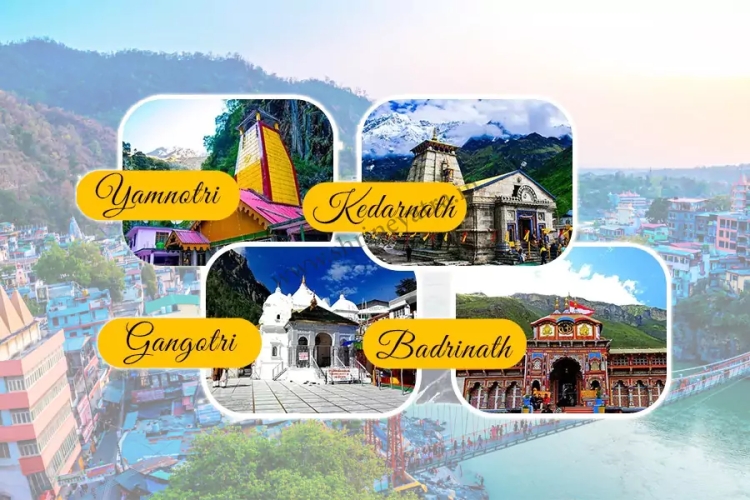
Pilgrimage to the Char Dham (Badrinath, Kedarnath, Gangotri, Yamunotri) is a dream for many — but it doesn’t have to break the bank. With smart planning, local knowledge, and a little flexibility, you can cover the spiritual circuit on a shoestring without sacrificing safety or the experience. Here’s a practical, detailed guide to help you save money at every stage of your Char Dham journey.
1. Plan Char dham timing carefully — pick the value season
Travel during shoulder season (just before or after peak pilgrimage windows) gives the best balance of accessibility and savings. Peak season (May–July and certain festival dates) means inflated prices and sold-out rooms. Off-season may close high-altitude routes due to snow; choose early opening/late-closing windows when roads are available but crowds are thinner and rates are lower. Weekdays are cheaper than weekends for transport and lodging.
2. Book transport smartly
Transport will be a large part of costs — but you can cut it significantly.
- Use trains where possible: Long-distance trains to Haridwar/Rishikesh or Dehradun are far cheaper than flights and often comfortable if booked in advance. Sleeper and 3AC options are budget-friendly.
- Public buses and state-run services: Uttarakhand Transport buses and HRTC provide the most economical intercity and hill routes. Expect basic comfort but massive savings.
- Shared cabs and pooling: From hubs like Rishikesh, Haridwar, or Dehradun, share cabs with other pilgrims. Taxi stands and local guesthouses often know other travelers to split costs.
- Negotiate fixed-day rates for private drivers: If you need a car for multiple days, negotiate a full-day package (include driver stay and fuel) rather than paying by the hour — it’s usually cheaper.
- Avoid unnecessary back-and-forth: Plan an efficient route (e.g., Haridwar → Barkot → Yamunotri → Uttarkashi → Gangotri → Kedarnath → Badrinath → Haridwar) to minimise repeat travel.
3. Choose budget accommodation — but stay safe
Accommodation ranges from dharamshalas and basic guesthouses to hotels and homestays on char dham.
- Dharamshalas and ashram stays: These are the cheapest options, often run by trusts or temples. They provide the basic necessities at very low cost. Bring a sleeping liner or light sheet for hygiene and comfort.
- Book homestays or locally run guesthouses: They’re cheaper than hotels and often include home-cooked meals. Supporting local families is also rewarding.
- Bunk dorms and volunteer stays: Some ashrams and organizations offer volunteer-for-stay options — you help a few hours and they provide lodging/food.
- Negotiate long-stay discounts: If you plan to stay multiple nights in one place (e.g., base towns), ask for a weekly discount.
- Safety caveat: Don’t compromise safety for the cheapest bed; check reviews or ask other pilgrims about cleanliness and location.
4. Eat like a local
Food expenses add up fast if you eat at tourist restaurants.
- Thali meals and local dhabas: A simple thali at a local dhaba gives nutritious food at low cost. It’s hearty, filling, and often cheaper than packaged foods.
- Avoid packaged bottled water for costs — but be smart: Buy a large refillable bottle and use potable water refilling stations or boil/sterilise. Carry a small UV purifier or water purifier tablets for safety if needed.
- Carry snacks: Buying nuts, biscuits, and energy bars at big towns before heading to remote sections is cheaper than buying them in touristy spots.
- Share meals: If you’re traveling with companions, order larger dishes to share — it’s economical.
5. Pack for savings — avoid buying on the road
What you bring determines many impulse purchases.
- Layered clothing and good rain gear: Weather at higher altitudes is unpredictable — a compact waterproof jacket and layers prevent you from having to buy expensive gear mid-trip.
- Basic medical kit: Bring painkillers, altitude sickness meds (after consulting a professional), rehydration salts, blister plasters and antiseptic. Pharmacies at hill towns charge a premium.
- Portable charger and headlamp: Saves you from buying them at higher rates in remote shops.
- Reusable items: Cups, cutlery, and a small towel reduce the need to buy disposables frequently.
- Comfortable footwear: Good trekking shoes avoid emergency shoe purchases.
6. Smart itinerary: prioritize and pace
You don’t need to “do everything” in one frantic circuit. Doing fewer things well saves money.
- Prioritize must-sees: Decide which dhams or shrines are most important to you; skipping less critical sites reduces transport and lodging costs.
- Allow buffer days: Tight schedules mean expensive forced transport (last-minute taxis). Plan extra days to absorb delays without panic purchases.
- Use base-towns effectively: Stay in one base town and take day trips where possible (cheaper than moving town-to-town every night).
7. Use local knowledge & services
Locals know the cheapest, safest ways.
- Ask guesthouse owners or temple staff for rates: They can suggest the most economical transport, good dhabas, and where to find cheap basics.
- Hire local porters and guides in groups: They often accept smaller per-person rates when you group up with other pilgrims.
- Shop in local markets: Souvenirs, clothes, and supplies are cheaper and more authentic than tourist shops.
8. Avoid travel scams & hidden costs
Pilgrimage routes attract opportunists.
- Get written quotes: For drivers and guides, get fixed quotes including fuel, tolls, and driver stay allowances.
- Check meter or fixed fare expectations: If using taxis for short hops, agree the fare upfront.
- Be wary of unsolicited “helpers”: Porters or agents promising to expedite darshan may charge inflated fees. Use official counters where possible.
9. Minimise temple-related expenses
Temples have optional paid services — know what’s necessary.
- Prioritize what matters: Paid rituals and special offerings are optional. Decide ahead of time which you want and budget for them.
- Use common queueing practices: Save time (and avoid paid fast-passes) by arriving early when crowds are thinner.
- Diksha and prasad: Accept temple prasad but be cautious of paying for “priority” prasad.
10. Money management & communication
Small details save money and stress.
- Carry small notes and exact change: Remote vendors often lack change. Small denominations prevent overpaying.
- ATMs and cash planning: ATMs are scarce and may charge high fees. Withdraw larger amounts in towns where charges are lower, but keep it safe. Carry a hidden money belt.
- Offline maps and downloading info: Mobile connectivity is spotty; download offline maps and accommodation info to avoid paying for repeated data or getting stranded.
- Local SIM/roaming: Short-term local SIMs (bought in big towns) can be cheaper than roaming; check coverage for the areas you’ll visit.
11. Safety and health on a budget
Cutting costs mustn’t be at the expense of health.
- Travel insurance: A basic travel insurance policy that covers medical evacuation is worth the money. Shop for economical plans that cover trekking and high-altitude travel.
- Acclimatize properly: Spending one extra night to acclimatize is far cheaper than emergency care for altitude sickness.
- Use government-run health posts: For minor issues, government clinics in hill towns are affordable.
12. Sample low-cost daily budget (illustrative)
While costs vary, here’s a rough daily breakdown to help you plan (adjust for season/route):
- Accommodation (dharamshala/guesthouse): ₹300–₹800
- Food (thali/dhaba): ₹150–₹400
- Local transport/sharing: ₹200–₹600
- Misc (entry fees, small offerings): ₹50–₹200
Total per day: approx. ₹700–₹2,000
(If you’re traveling in a group and sharing cabs, per-person daily transport falls substantially.)
13. Be flexible — the biggest money-saver
Flexibility with dates, routes, and accommodation choices creates the biggest savings. If a guesthouse is full, ask around — there’s often a cheaper, clean option nearby. If a road is closed, accept the delay gracefully; last-minute alternatives are usually more costly.
14. Ethical frugality — respect locals & environment
Saving money doesn’t mean exploiting resources or people.
- Tipping appropriately: Small tips to drivers and porters are fair and often expected.
- Respect local economies: Buy supplies and food locally; it’s cheaper and supports the community.
- Leave no trace: Carry out trash. Many remote pilgrim trails have fragile ecosystems; avoiding litter helps preserve sites and reduces future costs (fines, penalties, or cleanup surcharges in some places).
Final checklist before you go TO Char Dham
- Train/bus tickets booked and printed (or stored offline).
- Refillable water bottle + purifier or tablets.
- Basic medical kit + travel insurance details.
- Layered clothes + rainwear + sturdy footwear.
- List of dharamshalas/guesthouses in each town and contact numbers.
- Small-denomination cash and hidden emergency stash.
- Offline maps and contact info for local drivers/guides.
Travelling to the Char Dham on a shoestring is absolutely possible with foresight and a willingness to live simply. The spiritual richness of the journey often grows when we travel slower, spend less on frills, and interact more with local people. Use these tips to keep your budget tight but your experience large — and remember that a pilgrimage’s real value is rarely measured in rupees. Safe travels and Jai Bholenath!