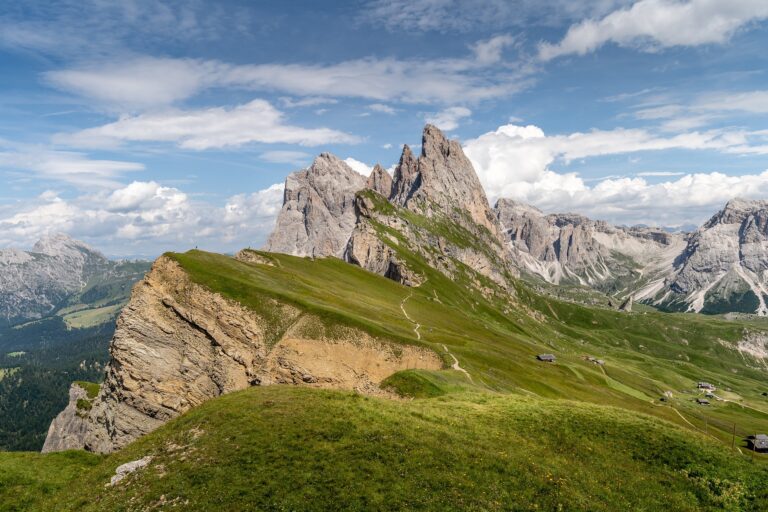
Kedarnath Yatra is one of the most sacred journeys in India. Every year, thousands of devotees travel to the Himalayas to seek blessings at the Kedarnath Temple, one of the most important Jyotirlingas of Lord Shiva. For many people, this trip is not just a pilgrimage, but also an emotional and spiritual experience. The snowy mountains, the difficult trek, the holy atmosphere, and the feeling of devotion make the journey unforgettable.
But Kedarnath Yatra can also become expensive if it is not planned properly. Travel costs, food, hotel stays, transport, and trek-related expenses can add up quickly. The good news is that with smart planning, you can complete the yatra on a budget without compromising on comfort, safety, or devotion.
In this blog, we will explore the best budget-friendly ways to do Kedarnath Yatra right. Whether you are traveling alone, with family, or in a group, these tips will help you save money and make the journey smoother.
1. Plan Early to Save More
The first rule of budget travel is simple: start early. Kedarnath is a highly popular pilgrimage destination, especially during the Char Dham season. As the season approaches, hotels, transport, and helicopter prices increase. If you wait until the last minute, you may end up paying much more.
Booking your train, bus, or flight tickets in advance often gives you better prices. The same applies to accommodations in nearby places like Guptkashi, Sonprayag, or Gaurikund. Early planning also gives you time to compare options and choose the best one according to your budget.
Another benefit of early planning is that you can prepare physically for the trek. Since the Kedarnath route involves walking at high altitude, being prepared can save you from unnecessary expenses on emergency support or last-minute arrangements.
2. Choose the Right Travel Route
Kedarnath does not have direct road access all the way to the temple. The last motorable point is Gaurikund, and from there, pilgrims must trek about 16 to 18 kilometers to reach Kedarnath. To save money, choose your route carefully.
If you are coming from Delhi or nearby states, trains and buses to Haridwar, Rishikesh, or Dehradun are often more economical than direct private taxis. From there, you can take shared jeeps or buses to Sonprayag or Gaurikund. Shared transport is usually much cheaper than hiring a private cab.
For budget travelers, this combination works best: train or bus to a gateway city, then shared transport to the pilgrimage base, and finally the trek on foot or by affordable local services if needed.
3. Stay in Budget Hotels or Dharamshalas
Accommodation is one of the biggest expenses during Kedarnath Yatra. Fortunately, there are many budget options available if you are willing to stay slightly away from the most crowded and expensive areas.
Dharamshalas, guest houses, and basic lodges in places like Guptkashi, Sitapur, Sonprayag, and Phata are usually more affordable than premium hotels. These places are also commonly used by pilgrims, so they offer simple but practical facilities.
If you are traveling during peak season, try to book accommodation in advance. A last-minute booking near Kedarnath may be costly and may not meet your expectations. Staying one night in a budget lodge before the trek and one night after the return can be enough for many travelers.
For those who are comfortable with very basic facilities, dharamshalas run by religious trusts can be the cheapest option. They may not offer luxury, but they are often clean, safe, and suitable for a short pilgrimage stay.
4. Travel in a Group
One of the easiest ways to reduce costs is to travel with family or friends. Group travel helps share expenses for taxis, rooms, food, and local transport. For example, if four people share one cab from Rishikesh to Sonprayag, the cost per person becomes much lower than traveling alone.
Groups also save on hotel expenses because larger rooms or shared rooms are usually more economical. Even food expenses can go down when you order together.
If you do not have a personal group, you can still join other pilgrims for shared transport or group tours. Many local operators arrange affordable Kedarnath Yatra packages for small groups. These may include transport, lodging, and meals at a lower combined price.
5. Avoid Private Cabs Unless Necessary
Private taxis are convenient, but they can quickly increase your budget. In a long pilgrimage route like Kedarnath, private cab fares can take a large part of your total trip cost. If your goal is to save money, use them only when absolutely necessary.
Shared jeeps, state buses, and local transport are much cheaper. Although they may take a little more time and require patience, they are ideal for budget travelers. The money you save can be used for food, accommodation, or emergency needs.
If you are traveling with elderly family members or someone who cannot manage long waiting times, then a private cab may still be worth it. But for most budget pilgrims, shared travel is the smarter choice.
6. Pack Light and Smart
A heavy bag can make your Yatra harder and more expensive. The more you carry, the more difficult the trek becomes. Packing light helps you move faster and may reduce the need for extra porters or luggage assistance.
Carry only essential items such as warm clothes, rain protection, basic medicines, water bottles, snacks, identity proof, and necessary toiletries. Avoid overpacking. Many things are available at the base points, though prices may be slightly higher.
Also remember that weather in Kedarnath can change quickly. Even in summer, it can get cold, windy, or rainy. A good jacket, comfortable shoes, gloves, socks, and a small backpack can make the journey much easier. Smart packing saves both money and effort.
7. Eat Simple Local Food
Food is another area where budget travelers can save. Instead of eating at expensive restaurants, choose simple local meals available at dhabhas and pilgrim eateries along the route.
Most places along the yatra route serve vegetarian food, tea, snacks, rice, roti, dal, and thali meals at reasonable prices. These meals are usually sufficient for pilgrims and are also easier to digest at high altitude.
Carrying light snacks such as dry fruits, biscuits, glucose, or energy bars can also help reduce unnecessary food purchases during the trek. This is especially useful if you get hungry often or want to avoid high prices at remote spots.
Do not overeat before the trek, and drink enough water. A balanced diet will keep you healthy and help you avoid stomach issues, which can otherwise lead to extra spending on medicines or treatment.
8. Consider Trekking Instead of Hiring Services
Some pilgrims use palanquins, ponies, or porters to complete the trek. These services can be helpful for elderly people, children, or those with medical limitations. However, they also add significant cost.
If you are physically fit and well-prepared, trekking on your own is the most budget-friendly option. It also gives you a more personal and fulfilling spiritual experience. Walking through the mountains, chanting prayers, and moving at your own pace can make the yatra more meaningful.
Of course, safety comes first. Do not force yourself to walk if you have health issues or if weather conditions are dangerous. But if you are healthy, trekking independently can save a lot of money.
9. Check Weather and Road Conditions Before You Go
Unplanned delays can become expensive. Bad weather, landslides, or roadblocks may force you to stay longer than expected or hire costly transport. To avoid this, always check the weather and road conditions before starting your journey.
The Kedarnath region can be affected by rain, fog, and mountain conditions. A small delay in planning can save a lot of money later. Carrying proper rain gear and warm clothes also helps avoid last-minute spending on overpriced items at the pilgrimage route.
It is wise to keep one extra day in your itinerary as a buffer. This prevents panic if the weather changes or if transport is delayed.
10. Avoid Peak Rush if Possible
If your schedule allows, try to avoid the most crowded dates. Peak season often means higher prices for hotels, food, transport, and even services like pony rides or helicopter booking.
Traveling slightly before or after the busiest rush period can help you find better rates and less crowd. A calmer environment also means less waiting, better accommodation choices, and a more peaceful darshan experience.
For budget travelers, timing matters a lot. A few days’ difference can make a big difference in total cost.
11. Keep a Daily Budget
Many pilgrims spend more than expected because they do not track daily expenses. A simple budget plan can help you stay in control.
Decide in advance how much you can spend on transport, stay, food, trekking services, and emergency needs. Keep a small emergency amount separate so that you do not disturb your main budget.
Even basic tracking on paper or on your phone can show where your money is going. This helps you avoid unnecessary purchases and stay within your limit.
12. Carry Essential Medicines and First-Aid
Medical expenses at high altitude can become costly if you are not prepared. Carrying your own basic medicines and first-aid items is a smart budget habit.
Include medicines for fever, headache, acidity, motion sickness, bandages, antiseptic cream, and any regular prescribed medicine. Altitude sickness can affect many travelers, so do not ignore symptoms such as nausea, dizziness, or shortness of breath.
Having a basic health kit can save you from buying overpriced medicines on the route or needing emergency support unnecessarily. It also gives you peace of mind during the journey.
13. Respect the Journey and Travel Responsibly
Budget travel does not mean careless travel. In fact, the right way to do Kedarnath Yatra on a budget is to travel responsibly. Keep the environment clean, avoid littering, and respect the local culture and rules.
When you are disciplined, you spend less on avoidable problems. For example, if you lose your belongings or damage your gear, you may need to spend more replacing them. If you stay organized and travel respectfully, your journey becomes smoother and cheaper.
Conclusion
Kedarnath Yatra is a sacred journey that touches the heart and soul. You do not need a large budget to experience it meaningfully. With the right planning, smart travel choices, simple food, budget lodging, and a little physical preparation, you can complete the yatra comfortably without overspending.
The key is to focus on what truly matters: devotion, safety, and peace of mind. Avoid unnecessary luxury, book early, travel light, and choose practical options. That is the real budget-friendly way to do Kedarnath Yatra right.
A well-planned pilgrimage is not only cheaper, but also more peaceful and fulfilling. When you travel wisely, you can fully enjoy the divine experience of Kedarnath without financial stress.