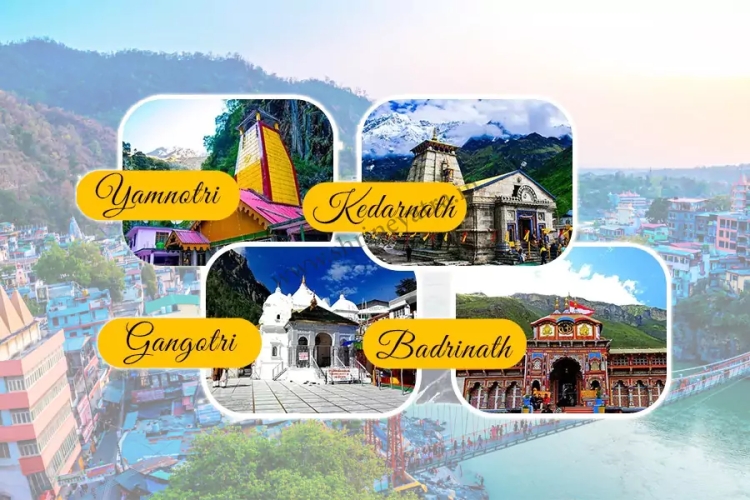
The Char Dham Yatra — Yamunotri, Gangotri, Kedarnath and Badrinath — is unforgettable: soaring valleys, sacred rivers and steep mountain roads. But the Himalayas also present specific health challenges: high altitude, cold and rapidly changing weather, long drives and simple food/covering conditions. This guide gives practical, easy-to-follow health preparation you can do in the weeks before departure and while on the trip so your pilgrimage is safe, spiritual — and smooth.
Why health prep matters (quick reality check)
You’ll encounter thinner air, colder nights, strong sun, uneven walking surfaces and long stretches with limited medical facilities. Altitude-related problems (acute mountain sickness, or AMS) are common if you ascend too quickly; the only definitive “cure” for serious altitude illness is descent. Preparing physically, packing a smart health kit, and following simple altitude and hygiene rules greatly reduce risk.
6–8 weeks before: medical checklist & baseline fitness
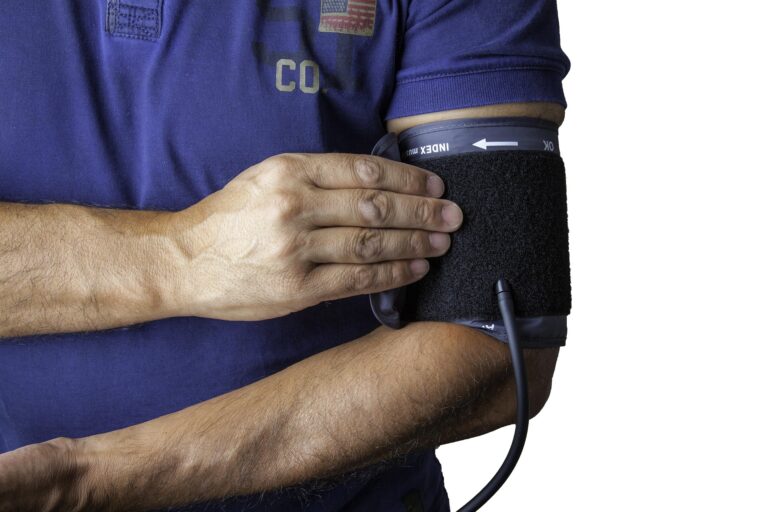
- Get a quick medical check-up. If you have heart disease, uncontrolled blood pressure, diabetes, chronic lung disease, or pregnancy, talk to your doctor about fitness to travel and any special precautions. A pre-trip check helps flag conditions that could worsen at altitude.
- Discuss altitude meds if needed. For people with prior altitude trouble or when itinerary forces rapid ascent, doctors may prescribe acetazolamide to speed acclimatization. Don’t self-prescribe — discuss dosing and side effects with your clinician.
- Build basic cardio & leg strength. You don’t need extreme training — 30–45 minutes of brisk walking, stair climbing or cycling 3–5 times a week will help. Add lung-friendly activity (interval walking uphill or stairs) and simple leg-strength moves (squats, lunges) to reduce fatigue on slopes and long temple approaches.
- Work on balance and ankle strength. Single-leg stands, calf raises and walking on uneven surfaces help prevent slips and ankle sprains on rocky paths.
- Sort medicines & documents. Refill any long-term prescriptions, make a photocopy of medical records and keep emergency contact numbers (local mountain rescue / state health helplines) handy.
2 weeks to departure: gear, vaccinations and practical prep
- Vaccinations & routine protections. Ensure routine vaccines are up to date (tetanus/diphtheria etc.). There are no special mandatory vaccines for Char Dham for most travelers, but check with a travel clinic if you have specific concerns. Carry insect repellent for lower-elevation stretches in summer.
- Assemble a compact personal health kit (detailed later). Include over-the-counter basic meds, blister supplies, bandages, and any altitude medication your doctor prescribes.
- Practice staying hydrated and light eating. At altitude your appetite can fall — plan for smaller, frequent meals and avoid heavy fried food when possible. Drink water regularly; dehydration worsens altitude symptoms.
- Plan acclimatization into the itinerary. Avoid schedules that push you from low altitude directly to high sleeping altitudes in a single day. If you can, add a rest/slow day after reaching higher sites. Guidelines recommend limiting sleeping-altitude gains above ~3,000 m to about 500 m per day and building in additional acclimatization days as altitude increases.
What to pack in your health & emergency kit (compact but complete)
- Copies of prescriptions, a short medical summary, and emergency contacts.
- Basic meds: acetaminophen/ibuprofen, antacid, anti-diarrheal (loperamide), oral rehydration salts (ORS), antihistamine for allergies, motion-sickness tablets if you’re prone to car sickness.
- Altitude meds only if prescribed: acetazolamide (Diamox) or dexamethasone — use only under medical advice.
- First-aid: adhesive plasters, sterile gauze, triangular bandage, antiseptic wipes, tape, blister pads, small scissors.
- Cold-weather items: hand warmers, good wool/synthetic socks, lip balm with SPF, high-SPF sunscreen (UV is stronger at altitude).
- Foot care: strong trekking shoes with good grip, gaiters for dust/snow, blister prevention sticks/tapes.
- A small pulse oximeter is useful for personal monitoring (it can help spot falling oxygen saturation), but do not rely on it alone — symptoms matter more than numbers.
On the road & at altitude — simple daily habits that protect you
- Ascend gradually; sleep low, climb high if possible. If you can, follow a “climb high, sleep low” pattern: do day trips to slightly higher points but return to a lower altitude to sleep. This pattern reduces AMS risk.
- Hydrate early and often, but don’t overdo it. Keep sipping water. Avoid excess alcohol, especially during the first 48 hours at higher altitudes — alcohol and heavy exercise can worsen AMS.
- Eat light, warm, easily digestible meals. High-carbohydrate meals are often better tolerated and can be a good energy source at altitude.
- Watch for AMS symptoms and act fast. Early signs: headache, nausea, dizziness, poor sleep, decreased appetite. If symptoms appear, rest at the same altitude and avoid further ascent; if symptoms worsen (severe headache, vomiting, disorientation, breathlessness at rest), descend immediately and seek medical help — descent is the only definitive treatment for serious altitude illness.
- Protect skin and eyes from sun and wind. Use broad-spectrum sunscreen, wear sunglasses with UV protection and a wide-brim hat. Sunburn and snow/ice glare are common at higher elevations.
- Keep warm and layer. Temperatures can drop fast after sunset; layering (base, insulating, windproof outer) lets you adapt. Wet clothing drastically increases hypothermia risk — carry rainproof shells and spare socks.
Food, water and hygiene — staying well in basic lodges and dharamshalas
- Drink boiled or bottled water. Avoid ice from unreliable sources; use ORS if you feel dehydrated from diarrhea or vomiting.
- Choose cooked, hot food from clean-looking kitchens. Avoid raw salads or street foods of uncertain hygiene while at high-altitude stops where immune responses can be blunted.
- Hand hygiene is key. Carry alcohol-based hand sanitizer and wash hands before eating — the simplest way to reduce many common illnesses on the road.
Sleep, rest and mental prep
- Prioritize sleep on travel days. Sleep helps your body adapt and recover. If you’re sleep-deprived before ascending, you’re more likely to feel poorly at altitude.
- Pace yourself mentally. Pilgrimages can be emotionally intense and physically demanding. Small, steady goals for each day (reach this guesthouse, do this puja) keep momentum without overexertion.
Emergency planning & insurance
- Know the nearest health facilities for each temple town and heli-pad. Carry local emergency numbers; many states publish helplines during the yatra season.
- Travel insurance that covers high-altitude helicopter evacuation is worth considering for those with higher risk or tight itineraries. Check policy limits and exclusions carefully.
- Travel in groups or with a trusted operator/guide who knows the terrain and local health resources; they speed help when needed.
Short pre-departure checklist (printable)
- Medical check-up & doctor clearance if needed.
- Any prescribed altitude meds filled and instructions printed.
- Health kit packed (see list).
- Comfortable trekking shoes & layered clothing.
- Copies of important documents & emergency contact list.
- Travel insurance checked for evacuation coverage.
- Hydration bottle, ORS sachets, hand sanitizer, sunscreen, sunglasses.
- Pulse oximeter (optional) and spare batteries.
Quick troubleshooting: common scenarios and what to do
- Mild headache & nausea after ascent: Rest, hydrate, avoid further ascent, consider acetaminophen; if you have a prescription for acetazolamide, use as advised. If symptoms don’t improve in 24 hours, descend.
- Severe breathlessness, cough, confusion or loss of coordination: These are red flags for severe altitude illness (HAPE/HACE). Descend urgently and seek emergency care. Supplemental oxygen or immediate descent may be lifesaving.
- Traveler’s diarrhea: Use ORS to prevent dehydration, loperamide for symptom control if mild, and see a clinician if high fever, bloody stool or severe dehydration occurs.
Final thoughts
Preparing for the Char Dham Yatra doesn’t require a medical degree — just sensible steps: check with your doctor, build simple cardio and leg strength, pack a smart health kit, ascend gradually, hydrate, and watch symptoms. With good preparation you’ll maximize your chances of a safe, soul-nourishing pilgrimage