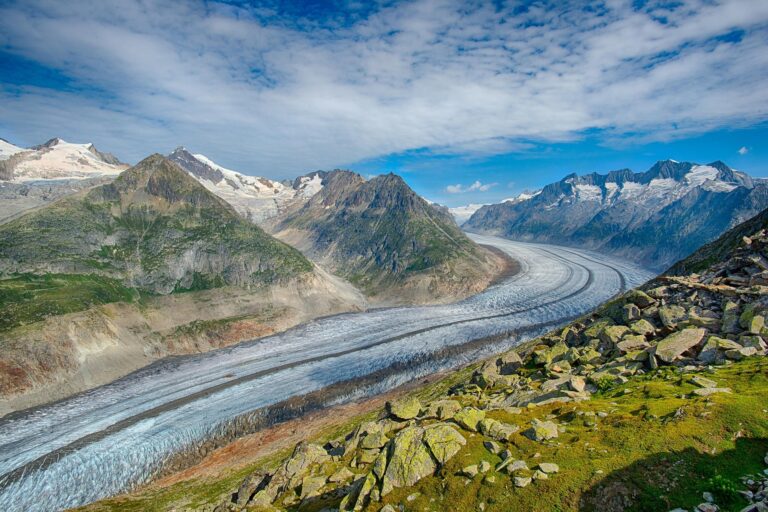
The Char Dham Yatra—covering Yamunotri, Gangotri, Kedarnath, and Badrinath—is one of the most spiritually enriching journeys in India. But beyond its devotional significance, it is also a physically demanding trek through high-altitude terrain, rocky paths, unpredictable weather, and long walking hours. Whether you’re a seasoned trekker or a first-time pilgrim, preparing your body is as essential as booking your travel and accommodation.
A safe and fulfilling Char Dham journey begins with understanding your health status. This is where pre-yatra health checks play a critical role. These tests help identify hidden risks, prevent emergencies, and ensure that you can comfortably manage the physical strain of trekking at altitudes ranging from 3,000 to 12,000 feet.
In this comprehensive guide, we’ll walk you through the important health checks you need before Char Dham trekking, why they matter, and how to prepare for the journey the right way.
Why Health Checks Are Important for Char Dham Trekking
Char Dham is not like a regular holiday. The trek involves:
- Steep ascents and descents
- Long walks for several hours
- High-altitude exposure
- Low oxygen levels
- Cold temperatures
- Remote medical facilities
Every year, several pilgrims face health issues due to exertion, altitude sickness, heart problems, dehydration, or extreme fatigue—many of which can be prevented with timely medical evaluation.
Health checks help you:
- Identify medical conditions that may worsen during the trek
- Evaluate your stamina, lung capacity, and heart health
- Minimize risk of high-altitude sickness
- Customize fitness plans before the trip
- Travel with confidence and peace of mind
Essential Health Checks Before Char Dham Trekking
Below are the most important health tests and evaluations you should undergo at least 4–6 weeks before your Char Dham Yatra.
1. Complete Physical Examination
Your first step is a general medical assessment conducted by a physician. This includes:
- Blood pressure reading
- Pulse rate
- Oxygen saturation
- BMI (Body Mass Index)
- Basic mobility and joint flexibility
- History of previous illnesses
This initial examination helps your doctor decide if you need more specialized tests. It’s especially crucial for individuals over 45 years or those with chronic conditions.
2. Cardiac (Heart) Evaluation
Trekking at high altitudes increases stress on the heart because oxygen levels drop significantly. Many pilgrims experience breathlessness, palpitations, or chest discomfort due to undiagnosed heart issues.
Recommended cardiac tests include:
a. ECG (Electrocardiogram)
- Helps detect rhythm abnormalities
- Picks up signs of previous unnoticed heart strain
b. 2D Echocardiography
- Provides information on heart pumping capacity
- Identifies valve disorders and fluid accumulation
c. TMT (Treadmill Test)
- Measures how your heart performs under physical pressure
- Crucial for people with diabetes, hypertension, obesity, or a history of smoking
If the doctor finds any concerning results, they may recommend medication adjustments, precautionary steps, or in some cases, avoiding very high-altitude trekking.
3. Lung Function and Respiratory Tests
The Char Dham region has thin air, especially at Kedarnath and Yamunotri. Individuals with weak respiratory systems are more likely to experience:
- Breathlessness
- Low oxygen saturation
- Fatigue
- High-altitude pulmonary edema (rare but dangerous)
Recommended lung tests include:
a. Chest X-Ray
- Helps detect infections, lung scarring, or structural issues
b. Pulmonary Function Test (Spirometry)
- Measures lung capacity, airflow, and breathing strength
- Highly recommended for smokers
c. Oxygen Saturation Screening
- Helps detect how efficiently your blood carries oxygen
If you have a history of asthma, COPD, or allergy-related breathing issues, ensure your condition is stable and medications are updated.
4. Blood Tests
Blood tests help assess your overall wellness, immunity, and internal functioning. They reveal underlying issues that may affect your stamina during the trek.
Key blood tests include:
a. CBC (Complete Blood Count)
- Detects anemia, which can worsen fatigue at high altitude
- Identifies infections and inflammation
b. Blood Sugar (Fasting & PP)
- Especially important for diabetic patients
- Helps you adjust diet and medication for the trip
c. Kidney Function Test
- Ensures your kidneys can handle low temperature and dehydration risks
d. Liver Function Test
- People on long-term medications or with alcohol history should not skip this
e. Thyroid Profile
- Thyroid disorders can affect stamina, metabolism, and cold tolerance
f. Vitamin D & Vitamin B12
- Deficiencies can increase fatigue and muscle pain during the trek
A well-rounded blood work panel gives a comprehensive picture of your health before taking on physically intense activity.
5. Blood Pressure Assessment
High or uncontrolled BP can be dangerous at altitude because changes in oxygen levels cause blood vessels to constrict. This may lead to:
- Headaches
- Nausea
- Dizziness
- Chest pain
- Risk of cardiac events
If you have hypertension:
- Take regular readings for two weeks
- Adjust medicines if needed
- Carry backup medication
- Monitor BP daily during the trek
Your doctor may also prescribe medicines to prevent altitude sickness, depending on your BP profile.
6. Diabetes Evaluation
Diabetic pilgrims must be extra careful because travel, cold climate, and physical exertion can impact blood sugar levels.
Recommended tests include:
- HbA1c (3-month sugar average)
- Fasting and Post-meal glucose
- Foot examination
- Kidney function
Diabetics should also prepare a meal plan, stay hydrated, and carry emergency glucose tablets.
7. Joint and Bone Health Assessment
Treks to Yamunotri and Kedarnath require walking on steep, uneven paths. Joint strain is one of the most common complaints during the Yatra.
Recommended checks:
a. Orthopedic Evaluation
- Helpful for people with knee pain, arthritis, or past injuries
b. Knee X-Ray or MRI (if advised)
- Detects cartilage wear and tear
- Helps evaluate trekking readiness
c. Bone Mineral Density Test
- Important for women over 45, or anyone with bone weakness
Weak joints increase the risk of falls, sprains, and fatigue. Addressing these issues before the trek prevents discomfort.
8. Eye and Ear Check-Up
Rapid altitude changes can impact eye pressure and ear functioning.
Eye tests:
- Vision screening
- Retina check (especially for diabetics)
- Dry-eye evaluation
Ear tests:
- Earwax removal (to prevent blockage discomfort)
- Eustachian tube function evaluation
Balanced pressure in ears and eyes keeps you comfortable during sudden altitude shifts.
9. Dental Check-Up
A lot of trekkers ignore dental health, but toothaches or gum infections can become severe in cold, high-altitude regions due to:
- Blood vessel constriction
- Difficulty finding dental care on-route
Get cavities filled and infections treated before your journey.
10. Allergy and Immunity Evaluation
If you’re allergic to dust, pollen, cold, or certain foods, the Char Dham region may trigger reactions.
Recommended checks:
- Allergy screening
- Eosinophil count
- Asthma stability tests
Carry necessary anti-allergy medicines after consulting your doctor.
Fitness and Endurance Evaluation
Apart from medical tests, your physical fitness level plays a huge role in how well you handle the trek.
Tests and checks to consider:
a. Fitness Assessment
- Measures your stamina and flexibility
- Helps tailor a pre-trek training plan
b. BMI Check
- Extremely low or high BMI can affect performance and breathing
c. Walking Test (6-Minute Walk Test)
- Evaluates cardiovascular and lung endurance
A fitness trainer can help you prepare with:
- Brisk walking
- Leg strengthening
- Core exercises
- Breathing exercises
- Controlled stretching
Important Health Certificates Required for Char Dham
Uttarakhand authorities occasionally mandate medical fitness certificates, especially for the Kedarnath trek. These checks ensure:
- You are physically fit for high-altitude trekking
- You have no chronic condition that may worsen
- You are not at high risk for cardiac or respiratory events
Always keep both digital and printed copies with you.
Who Should Not Undertake Char Dham Trekking Without Strict Medical Supervision
The following individuals must avoid or take approval from a doctor before trekking:
- People with uncontrolled BP
- Severe asthma or COPD patients
- Heart patients with recent medical events
- Individuals recovering from surgery
- Pregnant women
- People with severe arthritis or mobility issues
Safety should always come before devotion.
Tips to Stay Healthy During the Trek
Even after medical checks, you must follow safety practices on-ground:
- Acclimatize properly at each halt
- Stay hydrated, but don’t overdrink
- Eat light meals at regular intervals
- Avoid alcohol and smoking
- Carry required medicines
- Walk slowly, especially uphill
- Use trekking poles to reduce knee strain
- Keep a first-aid kit handy
Final Thoughts
Char Dham trekking is a beautiful journey, but it requires your full physical readiness. Completing the recommended health checks ensures you stay safe, confident, and energized throughout the Yatra. Whether you’re traveling with family or solo, these tests act as a protective shield against unexpected health issues.
Preparing well in advance with medical check-ups, fitness training, and proper planning allows you to enjoy the peace, spirituality, and magic of the Himalayas without worry.