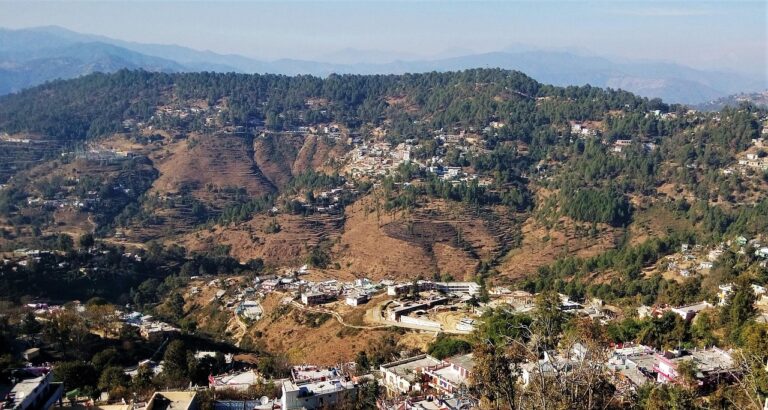
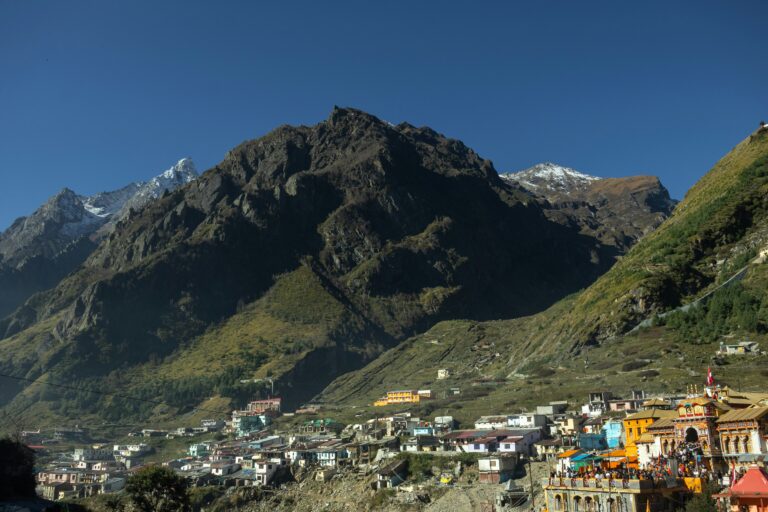
The Chardham Yatra is one of the most sacred pilgrimages in India, attracting thousands of devotees to the beautiful Himalayan region of Uttarakhand every year. This spiritual journey covers four important Hindu pilgrimage sites: Yamunotri, Gangotri, Kedarnath, and Badrinath. Surrounded by majestic mountains, flowing rivers, and breathtaking natural landscapes, the Chardham Yatra offers a unique combination of spirituality, adventure, and inner peace.
For first-time pilgrims, however, the journey can be challenging. High-altitude locations, unpredictable weather, long road journeys, trekking routes, crowded temples, and limited facilities in remote areas require careful preparation. Even a small mistake, such as starting the journey without proper registration or carrying inadequate clothing, can create unnecessary difficulties.
Whether you are travelling with your family, elderly parents, or friends, understanding the common mistakes to avoid on your first Chardham Yatra trip can help you enjoy a safer and more comfortable pilgrimage.
In this guide, we will discuss the most common mistakes pilgrims make and share practical tips to help you prepare for a memorable Chardham Yatra.
1. Starting the Journey Without Proper Planning
One of the biggest mistakes first-time pilgrims make is starting their Chardham Yatra without a proper travel plan. Many people underestimate the distance between the four shrines and assume they can complete the journey in just a few days.
In reality, the pilgrimage involves long mountain drives, temple visits, changing weather conditions, and, in the case of Kedarnath and Yamunotri, significant trekking.
Poor planning can result in rushed travel, missed darshan opportunities, exhaustion, and unnecessary expenses.
How to avoid this mistake:
- Prepare a realistic itinerary before departure.
- Allow sufficient time for road journeys and temple visits.
- Include buffer days for bad weather, traffic, or road closures.
- Choose accommodation in advance, especially during peak pilgrimage season.
- Avoid planning an excessively tight schedule.
For most first-time travellers, a well-planned itinerary of approximately 9–12 days can provide a reasonable starting point, depending on the route, starting location, weather, and pace of travel. Some itineraries require more time.
Remember, the Chardham Yatra is a spiritual experience, not a race to visit all four temples as quickly as possible.
2. Ignoring Chardham Yatra Registration Requirements
Another common mistake is assuming that registration is optional or can be completed at the last minute.
Pilgrimage registration and other applicable travel requirements can change from year to year. Travellers should verify the official requirements for the current season before leaving home.
Failing to complete the required registration may cause delays or difficulties at checkpoints and temple access points.
How to avoid this mistake:
- Check the official Uttarakhand government or tourism department website.
- Complete the prescribed registration process before travelling, where required.
- Keep your registration confirmation or QR code accessible.
- Carry valid government-issued identification.
- Verify any current requirements relating to temple visits, health advisories, or transport services.
Do not rely entirely on old blog posts, social media messages, or information from previous pilgrimage seasons. Always confirm the latest rules through official sources.
3. Choosing the Wrong Time for the Yatra
Timing plays a major role in determining the comfort and safety of your Chardham Yatra.
Many first-time visitors choose travel dates based only on holidays, school vacations, or personal convenience. They may overlook seasonal rainfall, extreme cold, heavy crowds, or the possibility of travel disruptions.
The pilgrimage is generally undertaken during the temples’ seasonal opening periods, which vary according to the Hindu calendar and official announcements.
How to avoid this mistake:
- Check the official opening and closing dates of all four temples.
- Research expected weather conditions for your travel dates.
- Consider travelling during a less crowded period within the official pilgrimage season.
- Avoid making rigid plans during periods of forecast heavy rainfall.
- Check road and weather advisories before starting each day’s journey.
May and June can attract large crowds, while the monsoon period may bring heavy rain, landslides, and road disruptions. September and October can offer pleasant conditions on some days, but temperatures may fall considerably at higher elevations.
There is no completely risk-free season in the mountains. Choose your dates carefully and remain flexible.
4. Underestimating the Weather in the Himalayas
The weather in the Himalayan region can change quickly. A sunny morning may turn into a cold, rainy, or windy afternoon, especially at higher elevations.
Some travellers pack only light clothing because they expect warm weather during summer. Others forget that temperatures near Kedarnath and other high-altitude locations can be much lower than those in the plains.
Insufficient protection against cold and rain can make the journey uncomfortable and increase the risk of cold-related illness.
How to avoid this mistake:
Pack essential clothing such as:
- Warm jackets or fleece layers.
- Thermal wear for colder conditions.
- Waterproof jackets and rain protection.
- Comfortable trekking trousers.
- Woollen socks, gloves, and a warm cap.
- Sturdy footwear with good grip.
Wear layers so you can adjust your clothing as temperatures change. Keep your important documents, medicines, phone, and spare clothes protected from rain.
Check the forecast before departure and follow local instructions if weather conditions deteriorate.
5. Ignoring Physical Fitness and Health Preparation
The Chardham Yatra can be physically demanding, particularly for pilgrims visiting Kedarnath and Yamunotri.
The Kedarnath trek is commonly described as approximately 16–18 kilometres one way, depending on the route and current access arrangements. The Yamunotri route also involves a substantial uphill walk, although the distance varies with the starting point and available transport arrangements.
Travellers who spend most of their time sitting or have limited walking experience may struggle with steep paths, long distances, and high-altitude conditions.
How to avoid this mistake:
- Begin light physical preparation several weeks before travelling.
- Practise regular walking at a comfortable pace.
- Increase walking duration gradually.
- Consult a healthcare professional if you have existing medical conditions or concerns about high-altitude travel.
- Carry prescribed medicines and relevant medical records.
- Take regular breaks and avoid pushing yourself beyond your limits.
People with heart or lung conditions, mobility limitations, or other significant health concerns should seek individual medical advice before planning demanding parts of the pilgrimage.
Good preparation can make the journey more manageable, but fitness alone does not eliminate the risks associated with altitude.
6. Rushing the Kedarnath Trek
Kedarnath is one of the most important destinations on the Chardham Yatra. Its spectacular mountain setting makes the journey memorable, but the trek can be tiring.
A frequent mistake is starting late, walking too quickly, or trying to complete the entire trek without adequate rest.
Rushing can cause exhaustion, dehydration, injuries, and difficulties reaching accommodation before dark.
How to avoid this mistake:
- Start early, following local guidance and applicable timings.
- Maintain a steady walking pace.
- Take short breaks when necessary.
- Drink water regularly and eat light, nutritious snacks.
- Carry suitable trekking shoes and a rain jacket.
- Follow official instructions regarding trekking routes and return timings.
If you are unable to continue comfortably, stop and seek assistance rather than forcing yourself forward.
Pony, palanquin, or helicopter services may be available subject to official arrangements, weather, capacity, and operating conditions. Book through authorised channels and do not assume that a particular service will always be available.
7. Packing Too Much or Carrying the Wrong Items
Overpacking is another common mistake, especially among first-time pilgrims who worry about forgetting something important.
Carrying a large suitcase or unnecessary items can make hotel changes, vehicle transfers, and trekking more difficult. On the other hand, travelling without essential medicines, warm clothes, or rain protection can create serious inconvenience.
How to avoid this mistake:
Pack according to the season and the duration of your trip.
Your essential packing checklist should include:
- Government-issued photo identification.
- Registration confirmation, where required.
- Comfortable walking and trekking shoes.
- Warm and waterproof clothing.
- Personal medicines and a basic first-aid kit.
- Reusable water bottle.
- Sunscreen, sunglasses, and a cap.
- Power bank and charging cables.
- Small backpack for daily essentials.
- Personal hygiene products and a torch.
Avoid carrying unnecessary valuables, heavy jewellery, or excessive luggage.
Keep important items in waterproof pouches and divide your belongings between your main bag and a small daypack.
8. Booking Hotels and Transport at the Last Minute
During busy pilgrimage periods, accommodation and transport services can become difficult to arrange, particularly in popular locations such as Guptkashi, Sonprayag, Kedarnath, and Badrinath.
Some travellers arrive without confirmed accommodation, expecting to find suitable rooms immediately. This can lead to higher prices, inconvenient locations, or limited choices.
How to avoid this mistake:
- Research accommodation along your route before departure.
- Book rooms early for peak travel dates.
- Check cancellation and refund policies.
- Confirm the location and basic facilities of your hotel.
- Verify transport arrangements for remote destinations.
- Keep contact details for your accommodation provider.
For helicopter services, use authorised booking channels and check the official operating conditions. Avoid unverified agents promising guaranteed tickets or unusually low prices.
A confirmed booking does not guarantee uninterrupted travel during severe weather or emergencies, so retain some flexibility in your plans.
9. Not Budgeting for Unexpected Expenses
Many pilgrims calculate only the cost of hotels, transport, and food. They forget about possible expenses arising from weather delays, additional accommodation, medical needs, or changes in travel arrangements.
Mountain travel costs may also vary considerably according to demand, location, and season.
How to avoid this mistake:
Create a realistic budget that includes:
- Transportation to and from Uttarakhand.
- Local transfers between pilgrimage destinations.
- Accommodation and meals.
- Registration-related requirements, where applicable.
- Trekking equipment or authorised transport services.
- Personal medicines and emergency supplies.
- A contingency fund for unexpected expenses.
Keep some emergency money separate from your planned travel budget. Do not assume that every remote location will have reliable digital payment facilities or an accessible ATM.
Compare package inclusions carefully if you are booking through a travel agency. Ask whether meals, local transfers, accommodation, permits, and other services are included in the quoted price.
10. Neglecting Food, Water, and Rest
The excitement of visiting sacred temples sometimes causes travellers to ignore their basic physical needs.
Skipping meals, drinking insufficient water, or sleeping too little can leave you exhausted during long drives and uphill walks.
Dehydration and fatigue may also worsen discomfort at high altitude.
How to avoid this mistake:
- Eat regular, balanced meals.
- Drink safe water throughout the day.
- Carry simple snacks for long journeys.
- Avoid excessive physical exertion.
- Get adequate sleep whenever possible.
- Limit alcohol and avoid smoking, particularly at altitude.
Do not drink untreated water from rivers or mountain streams simply because it appears clean.
If you develop a severe headache, nausea, dizziness, unusual weakness, or breathing difficulties at altitude, stop ascending and seek medical assistance. Confusion, difficulty walking, or breathlessness at rest are emergency warning signs requiring immediate help and descent with assistance.
Never dismiss serious symptoms as ordinary tiredness.
11. Travelling Without Checking Road and Weather Updates
Mountain roads can be affected by landslides, falling rocks, heavy rainfall, road construction, traffic congestion, and temporary closures.
A route that was open yesterday may be restricted today. First-time travellers who depend entirely on an old itinerary may find themselves stranded or forced to change plans.
How to avoid this mistake:
- Check official road and weather advisories regularly.
- Ask your driver or local authorities about current road conditions.
- Allow extra time for mountain journeys.
- Avoid unnecessary night driving on unfamiliar mountain roads.
- Follow instructions from police, disaster management personnel, and local authorities.
- Never attempt to cross flooded roads or unstable landslide areas.
If officials advise travellers to wait or avoid a route, follow their guidance rather than taking an unverified shortcut.
Safety should always take priority over reaching a temple at a particular time.
12. Ignoring the Needs of Elderly Travellers and Children
Families often plan the Chardham Yatra around their own preferences without considering how the journey may affect elderly relatives or young children.
Long drives, cold temperatures, crowded temples, high altitude, and physically demanding routes can be especially challenging for vulnerable travellers.
How to avoid this mistake:
- Consult a healthcare professional before travelling with elderly family members who have health concerns.
- Plan shorter travel days and more rest breaks.
- Choose accommodation with convenient access and suitable facilities.
- Carry essential medicines and medical documents.
- Keep children warm, hydrated, and supervised.
- Avoid forcing anyone to complete a trek if they are struggling physically.
Consider alternative arrangements for family members who cannot safely undertake demanding sections. The goal is to make the pilgrimage meaningful and comfortable for everyone, not to complete every activity at any cost.
13. Disrespecting Local Customs and the Natural Environment
The Chardham region is spiritually significant and environmentally sensitive. Unfortunately, some visitors leave plastic waste behind, disturb local communities, or disregard temple rules.
Such behaviour damages the environment and reduces the quality of the pilgrimage experience for others.
How to avoid this mistake:
- Follow temple rules and local customs.
- Dress appropriately for religious sites.
- Dispose of waste only in designated places.
- Avoid single-use plastics whenever possible.
- Do not litter rivers, trekking paths, or mountain viewpoints.
- Respect local residents, fellow pilgrims, and wildlife.
- Follow photography restrictions inside temples and other designated areas.
A responsible pilgrim respects both the sacred destinations and the fragile Himalayan ecosystem.
14. Relying Entirely on Mobile Networks and Online Payments
Travellers from cities often assume that mobile internet, GPS navigation, and digital payments will work everywhere.
However, connectivity may be unreliable in remote mountain areas, and electricity or payment facilities may be limited.
How to avoid this mistake:
- Download offline maps before leaving.
- Save hotel bookings and registration documents on your phone.
- Keep essential information available offline or in printed form.
- Carry a power bank and suitable charging equipment.
- Keep some cash for places where digital payments may not work.
- Share your itinerary with a family member.
Do not depend exclusively on your phone for navigation or emergency communication.
15. Choosing an Unreliable Chardham Tour Operator
Planning the entire pilgrimage independently can be challenging for first-time travellers. However, choosing a tour operator only because it advertises the cheapest package can create other problems.
Unclear inclusions, unsuitable hotels, inexperienced drivers, and unrealistic itineraries may affect your experience.
How to avoid this mistake:
Before booking a Chardham Yatra package, check the operator’s reputation and ask for a detailed written itinerary.
Confirm:
- Hotel names and accommodation standards.
- Vehicle type and transport arrangements.
- Number of travel days and overnight stops.
- Package inclusions and exclusions.
- Applicable cancellation and refund terms.
- Whether the itinerary includes sufficient rest and weather buffers.
- The arrangements for emergencies and unexpected delays.
Avoid operators who guarantee that weather-related disruptions will never affect your trip or promise services they cannot reliably provide.
A dependable tour operator should explain the practical challenges of the journey honestly and help you make informed decisions.
Conclusion
Your first Chardham Yatra can become a deeply meaningful spiritual experience when you approach it with preparation, patience, and respect for the mountains.
The most important mistakes to avoid are poor planning, incomplete registration, unsuitable travel dates, inadequate clothing, insufficient fitness preparation, rushed trekking, last-minute bookings, and ignoring road and weather advisories.
Take time to prepare your itinerary, pack essential supplies, arrange reliable accommodation, and understand the physical demands of the journey. If you are travelling with elderly relatives or children, make their comfort and safety an important part of your planning.
Most importantly, remember that mountain conditions can change unexpectedly. Keep your schedule flexible, follow official instructions, and seek medical assistance whenever necessary.
The Chardham Yatra is not simply about visiting four sacred temples. It is also an opportunity to experience devotion, discover the beauty of Uttarakhand, and develop patience and gratitude along the way.
With the right preparation and a responsible approach, your first Chardham Yatra can be safer, smoother, and more memorable.
Plan wisely, travel responsibly, and let your Chardham Yatra become a journey of faith, peace, and spiritual fulfilment.