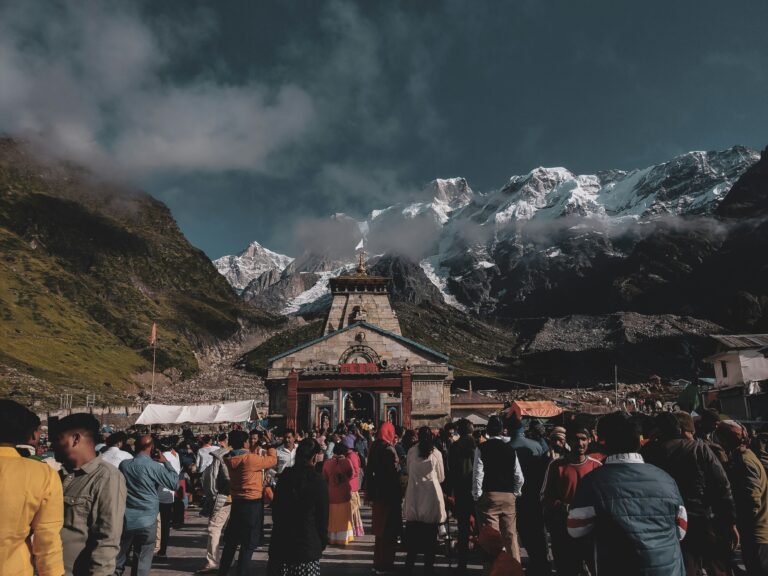
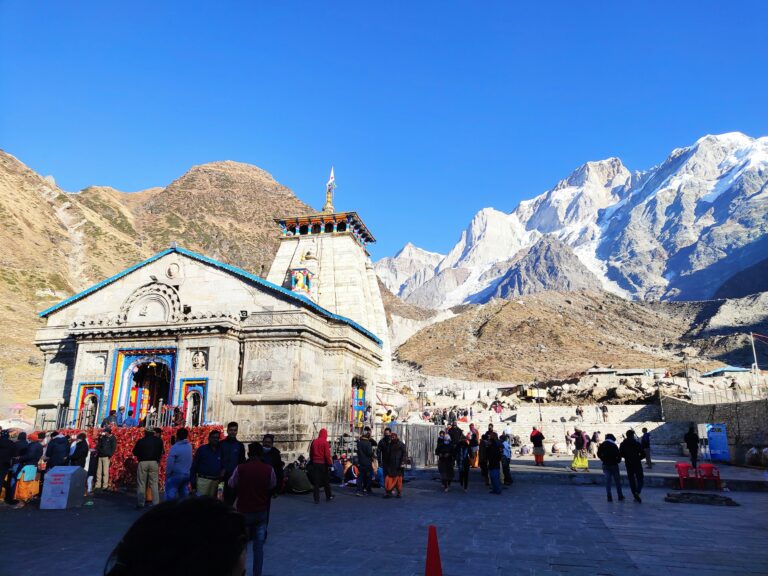
The Chardham Yatra is one of the most sacred pilgrimages in India, attracting thousands of devotees to the beautiful Himalayan region of Uttarakhand every year. This spiritual journey covers four revered temples: Yamunotri, Gangotri, Kedarnath, and Badrinath. Surrounded by snow-covered mountains, flowing rivers, lush valleys, and breathtaking landscapes, the pilgrimage offers a unique combination of religious devotion, natural beauty, and adventure.
However, travelling through the Himalayas requires careful planning. Weather conditions can change quickly, mountain roads may become challenging during the monsoon, and heavy snowfall can affect accessibility during winter. Choosing the right time to visit Chardham is therefore essential for a safe, comfortable, and memorable journey.
If you are planning your pilgrimage, understanding the best months to travel, the weather at each destination, and the available routes will help you make informed decisions. This guide explains the ideal season for Chardham Yatra, month-wise weather conditions, route information, and practical travel tips.
What Is the Best Time to Visit Chardham?
The best time to visit Chardham is generally from May to June and September to October, when the temples are open for the pilgrimage season and travel conditions are often more manageable.
The exact opening and closing dates vary each year according to religious calendars, temple traditions, and local conditions. Kedarnath, Badrinath, Gangotri, and Yamunotri generally open during spring and close around October or November, depending on the temple and annual announcements.
1. Summer Season: May to June
Summer is one of the most popular periods for Chardham Yatra. As temperatures rise in the plains, the Himalayan region offers relatively pleasant daytime conditions, although mornings and nights can remain cold.
Weather conditions:
- Daytime temperatures are generally cool to mild, depending on altitude.
- Nights can be chilly, especially around Kedarnath.
- Snow may still be visible at higher elevations.
- Roads and trekking routes gradually become accessible after winter.
Advantages of visiting in summer:
Summer is ideal for families, senior pilgrims who are medically fit to travel, and first-time visitors who prefer milder weather. Hotels, transport services, pony services, and helicopter operations generally become more widely available as the season progresses.
May can still bring cold conditions and occasional snowfall at higher elevations. June often offers warmer daytime weather, but it is also a busy travel month.
Things to remember:
Book accommodation and transport in advance, particularly if travelling during school holidays. Carry warm clothing even when temperatures are comfortable in Haridwar or Rishikesh.
2. Monsoon Season: July to August
The monsoon season brings rainfall to Uttarakhand, transforming its valleys into lush green landscapes. However, it is also one of the most challenging periods for a Chardham pilgrimage.
Weather conditions:
- Frequent and sometimes heavy rainfall.
- Increased humidity at lower elevations.
- Reduced visibility due to clouds and fog.
- Greater risk of landslides, falling rocks, road damage, and delays.
Advantages of visiting during the monsoon:
The natural scenery can be spectacular, with green hills, waterfalls, and mist-covered mountains. Some travellers may also find fewer crowds outside peak holiday periods.
Challenges to consider:
Heavy rainfall can interrupt road journeys, delay helicopter services, and make trekking routes slippery. Road closures may leave pilgrims waiting for hours or longer, depending on the severity of the weather.
Monsoon travel is best approached cautiously. If you have flexible dates, consider travelling before the monsoon begins or after the heaviest rainfall has subsided. Always check official weather warnings and road conditions before departure.
3. Post-Monsoon Season: September to October
September and October are often considered excellent months for Chardham Yatra. Rainfall usually decreases as the season progresses, and mountain landscapes remain fresh and scenic after the monsoon.
Weather conditions:
- Generally clearer skies during suitable weather windows.
- Cool mornings and evenings.
- Cold conditions at higher elevations.
- Increasingly chilly nights as October advances.
Why choose this season?
Post-monsoon travel can provide beautiful mountain views and comparatively comfortable road conditions when routes are open and stable. It is an attractive choice for photography enthusiasts, nature lovers, and pilgrims seeking a quieter experience than the busiest summer period.
September may still experience heavy rainfall, particularly early in the month, so conditions should never be assumed to be completely safe. October usually becomes colder, and the pilgrimage season approaches its conclusion.
Important tip: Check the official temple closing schedules before booking. Plan to complete the pilgrimage well before the announced closing dates, allowing extra time for weather-related delays.
Month-Wise Guide to Chardham Yatra
Understanding the differences between months can help you select the most suitable travel window.
| Month | General conditions | Travel recommendation |
|---|---|---|
| April | Cold at high altitudes; temple openings vary | Suitable only after confirmed openings and route checks |
| May | Spring conditions with lingering cold | Good for early-season pilgrims who prepare for cold weather |
| June | Generally pleasant but crowded | Excellent for planning, with advance bookings |
| July | Monsoon rainfall increases | Travel cautiously; monitor road and weather alerts |
| August | Heavy rainfall is possible | Less suitable for travellers with inflexible schedules |
| September | Conditions gradually improve | A good option when weather and roads are stable |
| October | Cooler, often clearer weather | Excellent early in the month, subject to temple schedules |
| November–March | Winter snow and severe cold at high elevations | The main Chardham temples are generally closed |
These are broad seasonal patterns, not a daily forecast. Actual conditions vary by altitude, location, and year.
Understanding the Weather at Each Chardham Destination
Each temple lies at a different altitude and has its own weather challenges. Planning for all four destinations requires more than checking the temperature in one town.
Yamunotri: Cold Weather and Mountain Trekking
Yamunotri, dedicated to Goddess Yamuna, is situated in the Garhwal Himalayas. Pilgrims usually travel by road to Janki Chatti and then complete the final trek to the temple.
The trekking route includes steep sections, so comfortable footwear, suitable clothing, drinking water, and a manageable pace are important.
Spring and early summer can bring cold mornings and lingering snow in the surrounding mountains. During the monsoon, rain can make the trail slippery and increase the risk of disruption.
Best travel period: May to June and September to early October, subject to temple opening dates and local conditions.
Gangotri: Cool Temperatures and Scenic Roads
Gangotri, dedicated to Goddess Ganga, is accessible by road through the Himalayan region. The journey passes through scenic mountain valleys and settlements, but travellers should expect winding roads and changing weather.
Temperatures remain cool even during summer, while early mornings and evenings can be particularly cold. Rainfall may affect road conditions during the monsoon.
Best travel period: May to June and September to October, depending on the weather and official access advisories.
Kedarnath: High Altitude and Trekking Challenges
Kedarnath is among the most demanding destinations on the Chardham circuit because of its high altitude and final trekking route. Pilgrims commonly travel by road to Gaurikund and continue on foot to Kedarnath. Pony, palanquin, and helicopter services may be available, subject to operating rules and weather.
The high altitude means temperatures can fall sharply, even during summer. Cold winds, rain, low visibility, and sudden weather changes can make the journey physically demanding.
Travellers should allow time for acclimatisation, avoid rushing the trek, and consult a healthcare professional if they have concerns about their ability to manage strenuous activity at altitude.
Best travel period: Late May to June and September to early October, subject to official opening dates, weather, and route conditions.
Badrinath: Cool Mountain Weather and Road Access
Badrinath, dedicated to Lord Vishnu, is generally accessible by road during the pilgrimage season. It is often visited after Kedarnath as part of the traditional Chardham route.
Summer brings relatively mild daytime conditions, but nights remain cold. As October progresses, temperatures fall and winter conditions approach.
Road travel can be affected by rainfall, landslides, traffic restrictions, and seasonal maintenance.
Best travel period: May to June and September to October, with the exact dates determined by temple schedules and local conditions.
Chardham Route Guide: How to Reach the Four Temples
Most pilgrims begin their journey from Haridwar, Rishikesh, or Dehradun. Haridwar and Rishikesh are popular starting points because they offer rail, road, accommodation, and transport connections.
The traditional route usually follows this sequence:
Haridwar/Rishikesh → Yamunotri → Gangotri → Kedarnath → Badrinath → Return journey
Route 1: Haridwar to Yamunotri
The journey generally passes through Dehradun or other connecting roads toward Barkot and Janki Chatti. From Janki Chatti, pilgrims trek to Yamunotri Temple.
Road travel time depends on the starting point, traffic, road conditions, and stops. Because the route passes through mountainous terrain, avoid planning an overly tight schedule.
Route 2: Yamunotri to Gangotri
After completing Yamunotri, pilgrims generally travel back through the Barkot region and continue toward Uttarkashi and Gangotri.
This is a road journey through mountain terrain, so it is important to allow sufficient time for rest, meals, and possible delays. An overnight stay along the route may make the journey more comfortable.
Route 3: Gangotri to Kedarnath
Travellers typically return from Gangotri toward Uttarkashi and continue through the road network toward Guptkashi, Sonprayag, and Gaurikund, depending on the selected itinerary.
From Gaurikund, pilgrims undertake the trek to Kedarnath unless using an authorised alternative such as a permitted helicopter service.
Confirm current vehicle access, parking arrangements, registration requirements, and trekking instructions before travel.
Route 4: Kedarnath to Badrinath
After returning from Kedarnath, pilgrims continue toward Badrinath through the designated mountain road network. The exact route and travel time depend on current road access, traffic restrictions, and official advisories.
This stretch should not be rushed. A flexible itinerary helps accommodate fatigue, weather interruptions, and changing road conditions.
Can You Complete Chardham Yatra by Helicopter?
Helicopter packages may reduce travel time and physical exertion, but availability depends on the operating season, weather, authorised operators, and applicable regulations. Helicopter travel does not eliminate the risks associated with high altitude, and flights may be delayed or cancelled in poor weather.
Book only through authorised providers, understand the cancellation policy, and confirm what ground transfers and temple visits are included in the package.
How Many Days Are Needed for Chardham Yatra?
A complete Chardham pilgrimage by road commonly takes around 10 to 12 days, although some itineraries require more time depending on the starting point, accommodation choices, trekking pace, and road conditions.
A practical itinerary might include:
- Day 1: Arrival in Haridwar or Rishikesh.
- Days 2–3: Travel toward Yamunotri, complete darshan, and overnight stays.
- Days 4–5: Continue to Gangotri and complete darshan.
- Days 6–8: Travel toward Kedarnath, undertake the trek, and return.
- Days 9–10: Travel to Badrinath and complete darshan.
- Days 11–12: Return toward Rishikesh or Haridwar, allowing time for delays.
This is only an illustrative outline. The actual itinerary should be adapted to road access, temple timings, accommodation availability, and the physical needs of the group. Adding buffer days is particularly useful during the monsoon.
Essential Travel Tips for a Safe Chardham Yatra
A successful pilgrimage depends on preparation as much as choosing the right month.
1. Complete Registration and Required Formalities
Check the official Uttarakhand government or tourism portal for the current Chardham registration process, identity requirements, permits where applicable, and any mandatory travel instructions. Do not rely solely on outdated information from third-party websites.
2. Pack for Changing Weather
Carry warm layers, a waterproof jacket, comfortable walking shoes, socks, rain protection, and essential personal medicines. Sunglasses, sunscreen, a reusable water bottle, and a small backpack are also useful.
Even when the plains are warm, higher-altitude destinations may remain very cold.
3. Check Road and Weather Updates
Before leaving for each destination, review official weather warnings, district administration advisories, and road status updates. Heavy rainfall, landslides, snowfall, and traffic restrictions can alter the route at short notice.
Follow instructions from local authorities and never attempt to cross a blocked road or unstable section.
4. Prepare Physically for the Journey
Walking and trekking at altitude can be tiring, particularly around Kedarnath and Yamunotri. Start light exercise and walking in advance, take regular breaks, and avoid overexertion.
Seek medical advice before travelling if you have a chronic health condition or are unsure whether you can safely manage high-altitude travel.
5. Book Accommodation and Transport Early
May, June, and major holiday periods can be busy. Booking accommodation, vehicles, and authorised helicopter services early can reduce last-minute stress.
Choose a package that clearly explains the itinerary, hotel arrangements, meals, transport, registration assistance, and exclusions.
6. Keep Your Schedule Flexible
Mountain travel rarely follows a perfectly predictable timetable. Include extra time for road delays, weather interruptions, rest, and unexpected changes. A flexible plan is safer than attempting to reach every destination at a fixed time.
Conclusion
The best time to visit Chardham is generally May to June or September to October, when the pilgrimage season is underway and conditions may be more favourable for mountain travel. Summer offers relatively pleasant weather but attracts large crowds, while the post-monsoon period can provide beautiful views and a calmer travel experience when roads are stable. July and August require extra caution because of rainfall, landslides, and possible travel disruptions.
Each destination—Yamunotri, Gangotri, Kedarnath, and Badrinath—has different weather conditions, access routes, and physical demands. By selecting suitable travel dates, checking official advisories, preparing for high-altitude conditions, and allowing enough time for the journey, you can make your Chardham Yatra safer, more comfortable, and spiritually rewarding.
If you are planning your pilgrimage, choose a route and package that prioritise safety, reliable accommodation, experienced drivers, and flexibility. With careful preparation, your journey through the sacred Himalayas can become a meaningful experience filled with devotion, peace, and unforgettable natural beauty.