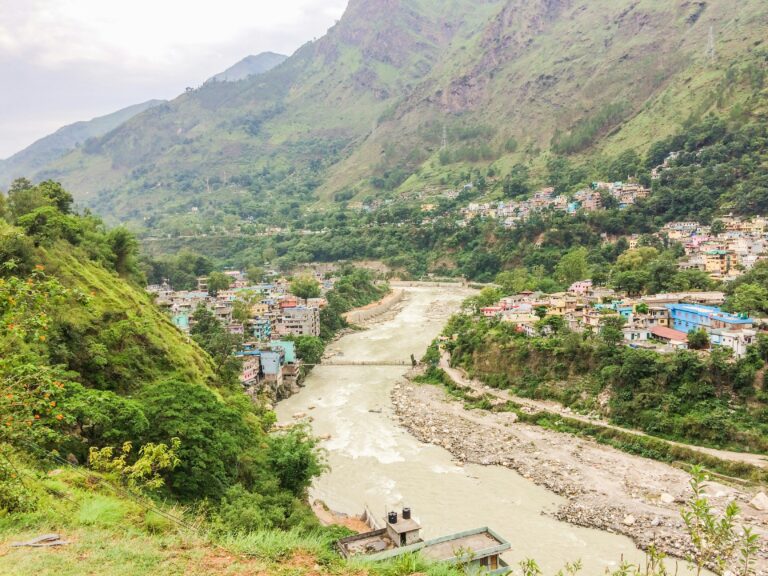
The Chardham Yatra is one of the most sacred pilgrimages in India, attracting thousands of devotees to the beautiful Himalayan region of Uttarakhand every year. The pilgrimage covers four holy shrines: Yamunotri, Gangotri, Kedarnath, and Badrinath. Surrounded by snow-capped mountains, flowing rivers, lush valleys, and breathtaking landscapes, these destinations offer a deeply spiritual experience.
However, travelling through the Himalayas requires careful planning and preparation. The weather can change unexpectedly, temperatures may drop significantly, and some routes involve long journeys, steep climbs, and challenging terrain. Packing the right essentials can make your pilgrimage safer, more comfortable, and more enjoyable.
Whether you are travelling with family, senior citizens, friends, or independently, this essential packing checklist for Chardham Yatra will help you prepare for your journey without carrying unnecessary luggage.
1. Important Documents and Yatra Registration
Before packing clothes or accessories, organise all the documents required for your journey. Keeping your paperwork accessible can save time during registration checks, hotel check-ins, and other travel formalities.
Here is a checklist of important documents to carry:
- Chardham Yatra registration: Complete the applicable registration process and keep a digital or printed copy of your registration confirmation.
- Government-issued identity proof: Carry an Aadhaar card, passport, voter ID, or another accepted identity document.
- Hotel and transport bookings: Keep copies of your hotel reservations, taxi bookings, and tour package confirmation.
- Emergency contact details: Write down the phone numbers of family members, your tour operator, and local emergency services.
- Medical records: Carry relevant prescriptions and medical information, especially if you have an existing health condition.
- Travel insurance documents: If you have travel insurance, keep the policy details and emergency assistance numbers handy.
- Passport-size photographs: Carry a few recent photographs if required for any travel formalities.
Keep digital copies of important documents on your phone and store backup copies securely. A waterproof document pouch is useful for protecting papers from rain and moisture.
Travel tip: Check the latest official Uttarakhand government guidelines for registration, identification, and any route-specific requirements before departure.
2. Warm Clothing for Changing Himalayan Weather
One of the most important things to remember while preparing for the Chardham Yatra is that Himalayan weather can be unpredictable. Even during the pilgrimage season, temperatures may fall sharply in the early morning and at night.
Instead of packing only heavy winter clothes, choose layers that you can add or remove according to the weather.
Clothing essentials
- Thermal innerwear for cold mornings and evenings.
- Full-sleeved T-shirts and comfortable shirts.
- Fleece jackets or woollen sweaters.
- A warm, lightweight down jacket or insulated winter coat.
- Waterproof and windproof outerwear.
- Comfortable trekking pants or quick-drying trousers.
- Woollen socks and regular cotton socks.
- A woollen cap or beanie.
- Gloves to protect your hands from the cold.
- A scarf, muffler, or neck warmer.
- Comfortable nightwear.
- Extra undergarments for the journey.
- A compact raincoat or poncho.
The best approach is to dress in layers. A thermal base layer, a warm middle layer, and a waterproof outer layer provide flexibility in changing conditions.
Avoid carrying too many heavy garments. Choose lightweight clothing that can be mixed and matched, dries reasonably quickly, and occupies less space in your luggage.
Travel tip: Carry additional warm clothing if you are travelling with children or senior citizens, as they may need extra protection from cold temperatures.
3. Comfortable Footwear for Walking and Trekking
Footwear can make a significant difference to your Chardham Yatra experience. While some parts of the pilgrimage involve travel by road, the route to Yamunotri traditionally includes a substantial uphill trek, and Kedarnath requires a long approach from the roadhead unless you use an authorised alternative such as helicopter services.
Even if you do not plan to trek extensively, you may need to walk on uneven paths, wet surfaces, stairs, and crowded temple approaches.
What footwear should you pack?
- Trekking shoes: Choose comfortable shoes with good grip, ankle support if preferred, and a well-fitted design.
- Water-resistant shoes: Useful during rainy conditions and on damp paths.
- Comfortable walking shoes: Ideal for sightseeing and shorter walks.
- Lightweight slippers or sandals: Convenient for hotel rooms and suitable resting areas.
- Extra socks: Keep your feet dry and help prevent blisters.
Wear your trekking shoes before starting the pilgrimage so that they are properly broken in. New shoes can cause painful blisters, particularly during long walks.
Avoid wearing slippery sandals or ordinary formal shoes on steep and uneven paths. If you use trekking poles, consider carrying a lightweight, adjustable pair to improve stability where appropriate.
4. Essential Medicines and a First-Aid Kit
Health preparation should be a priority when travelling to high-altitude destinations. Long road journeys, cold temperatures, physical exertion, and changes in altitude can cause discomfort.
Pack a small first-aid kit containing basic supplies for minor injuries and everyday health needs.
First-aid checklist
- Adhesive bandages.
- Sterile gauze and medical tape.
- Antiseptic wipes or an appropriate antiseptic.
- Blister-prevention pads.
- Oral rehydration salts.
- A digital thermometer.
- Hand sanitiser.
- Disposable tissues and wet wipes.
- Any personal prescription medicines.
- A small supply of regularly used medical products.
If you take medicines for conditions such as diabetes, hypertension, asthma, or heart disease, carry sufficient supplies for the entire trip, plus a reasonable reserve. Keep medicines in their original packaging and carry prescriptions where appropriate.
Consult your doctor before departure if you have an existing medical condition or are unsure whether the journey is suitable for you. Ask about any medication you may need for altitude-related concerns rather than self-medicating.
Be aware of altitude-related symptoms
Some travellers experience headaches, nausea, dizziness, unusual fatigue, or breathlessness at higher elevations. Severe or worsening symptoms require prompt medical attention.
Do not ignore breathing difficulties at rest, confusion, difficulty walking, or other serious symptoms. Stop ascending and seek urgent medical assistance if altitude illness is suspected.
Important: Do not rely on medicines alone to prevent altitude-related illness. Gradual ascent, adequate rest, appropriate hydration, and medical guidance are essential.
5. Personal Hygiene and Toiletries
Maintaining personal hygiene during a multi-day pilgrimage helps you stay comfortable, particularly when you are travelling for long hours or staying in different accommodations.
Pack travel-sized toiletries to save space and avoid carrying unnecessary weight.
Your personal hygiene checklist should include:
- Toothbrush and toothpaste.
- Soap or body wash.
- Shampoo in a small bottle.
- Face wash and moisturiser.
- Sunscreen with SPF 30 or higher.
- Lip balm, preferably with sun protection.
- Hairbrush or comb.
- Deodorant.
- Hand sanitiser.
- Toilet paper and tissues.
- Wet wipes.
- Quick-drying towel.
- Personal hygiene products.
- A small pack of laundry detergent, if needed.
Cold winds and low humidity can dry out your skin and lips, while strong sunlight at higher elevations can increase the risk of sunburn.
Apply sunscreen to exposed skin and reapply it as directed, particularly after sweating or wiping your face. Sunglasses that provide UV protection are also useful.
Carry biodegradable or reusable alternatives where practical, and dispose of hygiene products responsibly.
6. Electronics and Essential Travel Gadgets
Your phone is useful for navigation, contacting family members, accessing bookings, and receiving travel updates. However, network coverage and charging facilities may be limited in certain remote areas.
Make sure your electronic devices are ready before leaving home.
Electronics checklist
- Smartphone with essential contacts saved.
- Power bank with sufficient capacity.
- Charging cables and wall adapter.
- Headphones or earphones.
- Torch or headlamp with spare batteries or a charging option.
- Camera, if required.
- Waterproof phone pouch.
- Offline maps downloaded in advance.
- Digital copies of tickets, bookings, and registration documents.
A headlamp can be especially useful when walking before sunrise or navigating poorly lit areas. Use it responsibly and follow local instructions when approaching temple areas.
Keep electronic equipment protected from rain and moisture. A waterproof pouch or dry bag can help safeguard your phone, power bank, and other small devices.
Travel tip: Fully charge your devices before departure and keep a backup power source available. Do not assume that every hotel or roadside stop will have convenient charging facilities.
7. Food, Water, and Energy Snacks
Long drives, waiting periods, and trekking sections may make it difficult to find food exactly when you need it. Carrying a few lightweight snacks can help you manage your energy between meals.
Useful options include:
- Dry fruits and nuts.
- Energy bars.
- Biscuits or crackers.
- Roasted snacks.
- A small quantity of other non-perishable foods.
- A reusable water bottle.
Choose foods that are easy to carry, do not spoil quickly, and suit your dietary requirements. If you have diabetes, food allergies, or other dietary restrictions, plan your snacks accordingly.
Drink water regularly, but use safe drinking water from reliable sources. A reusable bottle makes it easier to refill when safe facilities are available.
Avoid drinking untreated water from rivers, streams, or unknown sources. Do not assume that clear-looking mountain water is safe to drink.
If you use electrolyte products, follow their instructions and your healthcare professional’s advice. Hydration needs vary with weather, activity, and individual health.
8. Rain Protection and Waterproof Packing
Rain is an important consideration during the Chardham Yatra. Weather conditions can change quickly in mountainous areas, and wet clothing can become uncomfortable in cold temperatures.
Protecting your luggage is just as important as carrying suitable rainwear.
Include these items in your packing list:
- A lightweight waterproof raincoat or poncho.
- Waterproof covers for your backpack.
- Small waterproof bags for documents and electronics.
- Quick-drying clothing.
- Extra pairs of socks.
- A compact umbrella for suitable conditions.
- Zip-lock bags for small items.
A poncho can be convenient because it may cover both your body and part of your backpack. However, in strong winds or on exposed trekking routes, a properly fitted waterproof jacket and trousers may be more practical.
Avoid relying on an umbrella alone during heavy rain or windy conditions. Follow local weather advisories and instructions from authorities, especially during periods of heavy rainfall, landslides, or road closures.
9. Cash, Cards, and Financial Essentials
Although digital payments are widely used in many parts of India, connectivity and payment facilities may be inconsistent in remote Himalayan locations.
Carry enough cash for small purchases and unexpected expenses while keeping your money secure.
Your financial checklist should include:
- Cash in small denominations.
- Debit or credit cards.
- Emergency funds stored separately.
- Booking receipts and payment confirmations.
- A secure wallet or money pouch.
Avoid keeping all your cash and cards in one place. Store a backup amount separately from your everyday wallet.
Before leaving, confirm what your tour package includes, such as accommodation, meals, transport, and any additional services. This will help you estimate how much extra money you may need.
10. Useful Accessories for a Comfortable Journey
A few practical accessories can make your pilgrimage more convenient without adding excessive weight.
Consider packing the following:
- A medium-sized backpack for daily essentials.
- A lightweight duffel bag or suitcase for main luggage.
- Trekking poles, if suitable for your route and physical needs.
- A neck pillow for long journeys.
- Earplugs and an eye mask for resting during travel.
- A reusable shopping or laundry bag.
- A small notebook and pen.
- A compact sitting mat, if useful.
- A whistle for emergencies.
- Reusable bags for carrying waste until proper disposal is available.
Keep your daily backpack lightweight. Carry only items you may need during the day, such as water, snacks, rain protection, documents, essential medicines, and an extra warm layer.
Avoid packing unnecessary valuables or bulky accessories that make walking more difficult.
11. Special Packing Tips for Senior Citizens and Children
If you are planning a family Chardham Yatra, your packing list should account for the needs of every traveller.
For senior citizens
- Carry sufficient prescribed medicines and medical records.
- Pack comfortable, supportive footwear.
- Include warm clothing and rain protection.
- Keep emergency contacts and identification easily accessible.
- Carry suitable snacks and safe drinking water.
- Discuss altitude, walking distances, and travel suitability with a doctor before departure.
Senior citizens with heart, lung, mobility, or other significant health concerns should seek individual medical advice before undertaking strenuous or high-altitude sections.
For children
- Pack extra warm clothes and socks.
- Carry familiar snacks and age-appropriate meals where necessary.
- Include essential medicines prescribed for the child.
- Carry a lightweight jacket, raincoat, and comfortable shoes.
- Pack a small activity book, toy, or entertainment item for long drives.
- Keep the child’s identification and emergency contact information accessible.
Children may become tired during long road journeys, so plan regular breaks and allow sufficient time for rest.
12. What Not to Pack for Chardham Yatra
Packing wisely also means knowing what to leave behind. Heavy luggage can make hotel transfers, vehicle changes, and trekking sections more difficult.
Avoid carrying:
- Excessive clothing or multiple bulky jackets.
- Heavy suitcases for trekking sections.
- Expensive jewellery and unnecessary valuables.
- Unnecessary electronic gadgets.
- Unprescribed medicines.
- Large quantities of perishable food.
- Single-use plastic items wherever reusable alternatives are practical.
- Items prohibited by local authorities or temple rules.
Always check the current rules for temple entry, luggage restrictions, transport services, and any special travel arrangements before departure.
13. Final Chardham Yatra Packing Checklist
Use this quick checklist a day or two before leaving home.
| Category | Essential items |
|---|---|
| Documents | ID proof, registration confirmation, bookings, emergency contacts |
| Clothing | Thermals, warm jacket, layers, socks, gloves, cap |
| Footwear | Trekking shoes, walking shoes, slippers |
| Health | Prescription medicines, first-aid kit, personal medical records |
| Hygiene | Toothbrush, toiletries, sunscreen, lip balm, sanitiser |
| Electronics | Phone, power bank, charger, torch, offline maps |
| Food and water | Reusable bottle, dry fruits, snacks |
| Rain protection | Raincoat, backpack cover, waterproof pouches |
| Money | Cash, cards, emergency funds |
| Accessories | Backpack, towel, trekking poles if needed |
Review each category before departure and adjust the quantity according to the length of your trip, the weather forecast, your itinerary, and your personal requirements.
Conclusion
The Chardham Yatra is much more than a journey through the mountains; it is a meaningful spiritual experience that requires preparation, patience, and respect for the Himalayan environment. From warm clothing and reliable footwear to essential medicines, travel documents, and rain protection, every item in your luggage should serve a practical purpose.
A well-planned packing checklist helps reduce unnecessary stress, keeps your luggage manageable, and allows you to focus on the spiritual significance of Yamunotri, Gangotri, Kedarnath, and Badrinath.
Before starting your journey, check the latest weather forecasts, road conditions, registration requirements, and official travel advisories. Pack according to your physical needs and itinerary, avoid rushing, and allow enough time for rest and acclimatisation.
Prepare smartly, travel responsibly, and make your Chardham Yatra a safe, comfortable, and spiritually fulfilling experience.