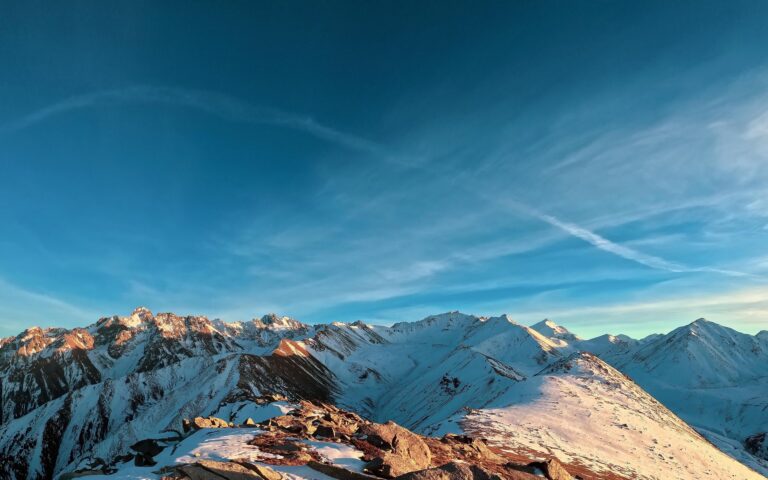
The Chardham Yatra is not just a pilgrimage—it’s a spiritual awakening through some of the most breathtaking yet challenging terrains of Uttarakhand. Every year, lakhs of devotees set out to visit the four holy shrines—Yamunotri, Gangotri, Kedarnath, and Badrinath—nestled deep in the Himalayas. But while the journey uplifts the soul, the unpredictable mountain weather can often test your patience and endurance.
From sudden rain showers and chilly winds to slippery trails and altitude-related discomfort, the weather in the Himalayas changes faster than you can imagine. Fortunately, with the right preparation and a few clever fixes, you can tackle most weather-related challenges with ease.
Let’s explore some quick fixes for common Chardham Yatra weather issues—so you can focus on devotion and discovery instead of discomfort.
1. The Sudden Downpour Dilemma
Problem: Unpredictable rain showers that soak you and your gear within minutes.
The Himalayan region is notorious for its sudden weather swings. Even on a sunny morning, a brief but intense rain can turn roads muddy, make slopes slippery, and dampen spirits (and clothes!).
Quick Fixes:
- Pack a Lightweight Poncho or Raincoat: Instead of bulky rain gear, carry a foldable poncho that covers both you and your backpack. Ponchos are lighter, easier to carry, and perfect for on-the-go protection.
- Waterproof Everything: Line your backpack with plastic bags or dry sacks. Keep your electronics, clothes, and important documents inside zip-lock pouches.
- Carry Fast-Drying Clothes: Synthetic or quick-dry fabrics (like polyester blends) dry much faster than cotton, which tends to stay wet and cold.
- Anti-slip Shoes: Choose trekking shoes with good grip and waterproofing. Rain makes rocky paths dangerously slick, especially around Kedarnath and Gangotri.
Pro Tip: Always carry a small microfiber towel—it dries quickly and doubles up as a multipurpose wipe.
2. Chilly Evenings and Freezing Mornings At Chardham Yatra
Problem: Sharp temperature drops after sunset, especially at Kedarnath and Badrinath.
At higher altitudes, daytime warmth can quickly give way to freezing cold after sunset. Pilgrims often underestimate how cold it can get, especially between May and early June or late September.
Quick Fixes:
- Layer Up Smartly: Instead of a single bulky jacket, wear multiple thin layers—a thermal inner, fleece, and a windproof outer layer. This traps heat better and lets you adjust easily as temperatures change.
- Carry a Warm Cap and Gloves: Most body heat escapes from the head and hands. Simple woolen accessories can make a huge difference at night.
- Keep Socks Dry: Change into a dry pair before sleeping. Cold, damp socks are a recipe for discomfort and poor sleep.
- Use a Hot Water Bottle: Before bed, fill a bottle with warm water and keep it inside your sleeping bag or blanket—it’ll keep you toasty all night.
Pro Tip: Keep your phone and power bank close to your body overnight—the cold drains battery power faster.
3. Dealing with Harsh Sun and UV Exposure
Problem: Strong sunlight and high UV levels causing sunburn or dehydration.
The mountain sun can be surprisingly harsh, especially at higher altitudes where the atmosphere is thinner. Pilgrims walking long distances between shrines often face sunburn or fatigue.
Quick Fixes:
- Use Sunscreen: A broad-spectrum SPF 30+ sunscreen is essential. Reapply every 2-3 hours, especially if you’re sweating or wiping your face often.
- Wear Sunglasses: UV-protective sunglasses shield your eyes from the bright glare of snow and rocky terrain.
- Stay Hydrated: The cold can make you forget to drink water, but dehydration hits faster at altitude. Keep a refillable water bottle handy.
- Cover Up: A lightweight scarf or hat can help protect your face and neck from direct sunlight.
Pro Tip: Add oral rehydration salts (ORS) or electrolyte tablets to your water once a day to replenish minerals lost through sweat.
4. Battling Fog and Poor Visibility in Chardham Yatra
Problem: Dense fog or mist making it difficult to see trails or drive safely.
Fog is a common issue, especially during early mornings and late evenings near Yamunotri and Gangotri. Reduced visibility can slow your pace and make navigation tricky.
Quick Fixes:
- Start Late, End Early: Avoid traveling during fog-prone hours. Start your trek after sunrise and try to reach your destination by dusk.
- Use Reflective Gear: Reflective strips or glow bands on your backpack and clothing make you visible to others in foggy conditions.
- Keep Flashlights Ready: A headlamp or small torch is essential when walking through mist or dim light.
- Move Slowly and Safely: Don’t rush—slippery paths combined with poor visibility increase the risk of slips or injuries.
Pro Tip: When driving, use fog lights instead of high beams—high beams reflect off fog, making it harder to see.
5. Coping with Altitude-Related Weather Changes
Problem: Thin air, cold winds, and fatigue due to altitude at Kedarnath (3,583 m) and Badrinath (3,133 m).
The higher you go, the colder and windier it gets. Many first-time visitors feel breathless or dizzy due to sudden altitude change.
Quick Fixes:
- Acclimatize Gradually: Spend an extra day at mid-level altitudes (like Guptkashi or Joshimath) before heading to higher points.
- Stay Warm and Hydrated: Drink warm water frequently and avoid alcohol or smoking—they dehydrate you faster.
- Eat Light, Frequent Meals: Smaller meals help your body adjust better to low oxygen levels.
- Keep Ears and Nose Covered: Strong mountain winds can cause headaches or sinus irritation—cover your face with a muffler or mask.
Pro Tip: Carry camphor or eucalyptus oil to sniff if you feel dizzy—it helps open up nasal passages and ease breathing.
6. Managing Muddy Roads and Slippery Trails
Problem: Rain and melting snow often make the routes muddy and slippery.
Pilgrims frequently face difficulty walking on wet mountain paths, especially en route to Yamunotri and Kedarnath in Chardham Yatra.
Quick Fixes:
- Trekking Poles Are Your Friends: They provide stability and reduce strain on your knees when walking on uneven terrain.
- Choose Anti-Slip Soles: Ensure your footwear has a deep tread pattern for better grip.
- Avoid Cotton Socks: Cotton absorbs moisture and increases the risk of blisters. Use synthetic or wool-blend socks instead.
- Keep an Extra Pair of Shoes: If one pair gets soaked, you’ll still have dry footwear for the next day.
Pro Tip: Rub a bit of candle wax or waterproofing spray on your shoe surface before your trip—it’ll help repel water and mud.
7. Heavy Rain Leading to Landslides or Delays in Chardham Yatra
Problem: Monsoon rains can cause landslides, roadblocks, or delays in travel.
This is a serious weather challenge in the Himalayas, especially during July and August.
Quick Fixes:
- Check Weather Updates Daily: Before you travel between destinations, check local forecasts or talk to the hotel staff about road conditions.
- Carry Extra Snacks and Essentials: Delays can last hours—energy bars, nuts, and water will keep you comfortable.
- Plan a Flexible Itinerary: Always keep a buffer day or two in your schedule in case of travel disruptions.
- Avoid Traveling at Night: Most landslides occur during or after heavy rainfall, so travel during daylight for safety.
Pro Tip: Download offline maps and keep emergency contacts handy (local authorities, helplines, or your tour operator).
8. Unexpected Snowfall in Early or Late Seasons
Problem: Sudden snow or icy winds during early May or late October.
While snowfall can look magical, it can make walking difficult and temperatures drop dramatically.
Quick Fixes:
- Wear Insulated Shoes: Snow can seep into your shoes and cause frostbite if you’re not careful.
- Use Sunglasses: The sun’s reflection off snow can cause snow blindness.
- Keep Hand Warmers: Small disposable warmers can be lifesavers when temperatures dip unexpectedly.
- Stay Indoors During Heavy Snow: Wait for the snow to settle or clear before resuming travel—it’s safer and prevents exhaustion.
Pro Tip: Keep a pair of woolen socks inside your gloves if your hands get too cold—it works better than many mittens!
9. Damp Clothes and Wet Gear
Problem: Persistent dampness leading to discomfort and risk of cold.
Mountain air is often too humid for clothes to dry quickly, especially after rain.
Quick Fixes:
- Use a Portable Clothesline: Carry a small travel clothesline or rope—hang clothes near a window or heater.
- Dry with Towels: Roll wet clothes inside a dry towel and press to absorb moisture.
- Carry Silica Gel Packets: Keep a few inside your backpack to absorb humidity and prevent musty smells.
- Avoid Sleeping in Damp Clothes: Always change into dry layers before bed to prevent catching a cold.
Pro Tip: Pack one set of clothes sealed in a waterproof bag—your emergency dry outfit for rainy days.
10. General Tips to Stay Weather-Proof During Chardham Yatra
To truly prepare for Himalayan weather, follow these golden rules:
- Check the Season: The best time for Chardham Yatra is from late April to mid-June and again from September to mid-October.
- Carry Weather Apps: Download apps like AccuWeather or Windy for real-time updates.
- Invest in Quality Gear: A sturdy backpack, waterproof shoes, and good thermal wear are worth every rupee.
- Protect Your Electronics: Use waterproof covers for your phone and power bank.
- Don’t Ignore Local Advice: Locals and guides have the most reliable knowledge about the weather and trail safety.
Final Thoughts
The Chardham Yatra is a journey of faith, courage, and endurance. Weather challenges are part of the Himalayan experience—but they don’t have to dampen your spirit. With smart planning, the right gear, and a few quick fixes, you can handle whatever nature throws your way.
Whether it’s a sudden downpour, a chilly wind, or an unexpected fog, remember that every obstacle conquered brings you one step closer to the divine. Prepare well, travel wisely, and embrace the unpredictable beauty of the Himalayas.
After all, in the Chardham, even the weather is a teacher—reminding us to stay humble, adaptable, and grateful through every twist of the journey.